Showing posts with label Rutland. Show all posts

Tuesday, 17 November 2009

Rutters


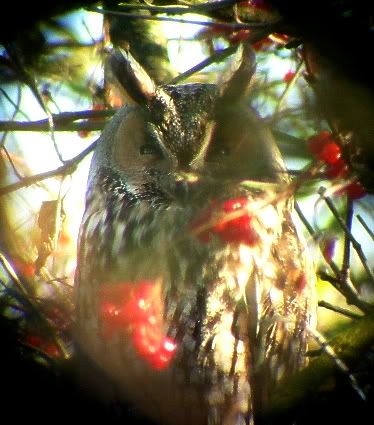
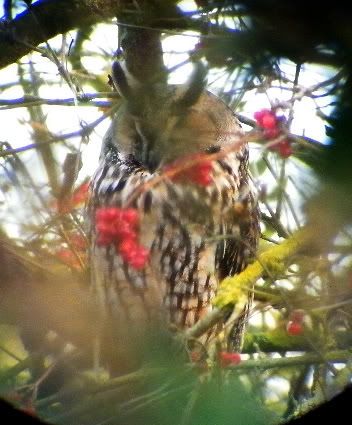
Had a trip down to London at the weekend as the girlfriend needed to visit the Chinese embassy (would you believe the big screen above the desk in the consulate showed pictures of a military parade - missiles, jet fighters, millions of soldiers - I'm not kidding). With the price of train tickets we drove half the way, stopping off at Rutland to break the journey up. Glad we did too, gathered two life birds I was hardly expecting. First was a snoozing Long-eared Owl (#224) by the path to one of the hides. Heard them plenty in Sherwood Forest, the squeaky gate call of the chicks around dusk, first time seeing one though.
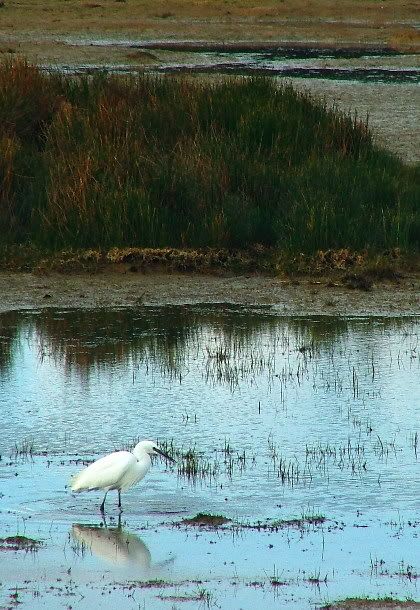
The other lifer was a Slavonian Grebe (#225), a full winter plumage bird easy to ID, and actually a nice comparison with a few Black-necked Grebes around. Winter ducks aplenty, some nice Golden Plover in the afternoon sun. Didn't have time to check out the assortment of divers off the dam wall. The Little Egret video comes from Rutland, watch out for a Hitchcokian cameo from a Shoveler near the end.

There was time in the day to take in the London parks when down there. The Grey Herons in Regent's Park always a treat, especially if you have a camera.

Also took in maiden ride on my new bicycle today. Went under a mass of Fieldfare, they sounded like a giant bag of marbles being shaken up.
(Regent's Park)

(Park "plastic")

Monday, 11 May 2009

Wow, Rutland Water


The plan was to scooch down to Rutland to finally bag one of the many Cattle Egrets in the country these days, by the end of a very long day we'd scored a list of 81 species and some memorable views - this despite missing out several hides and the Manton Bay area.

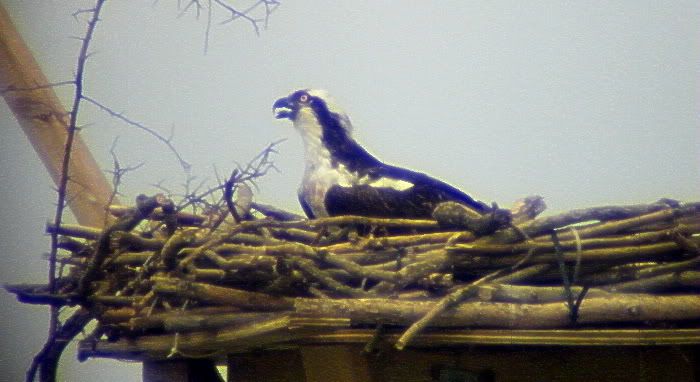
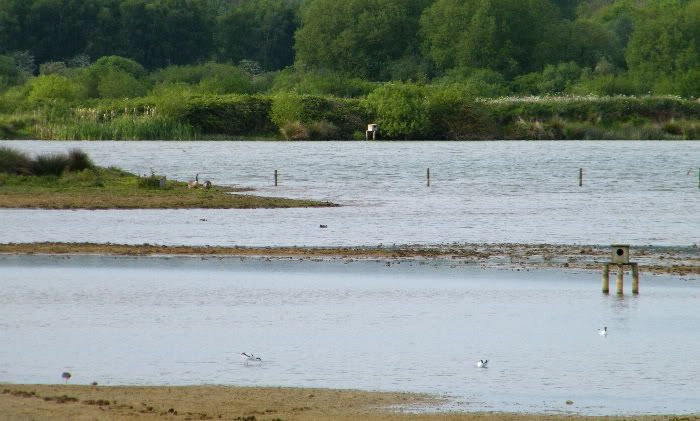
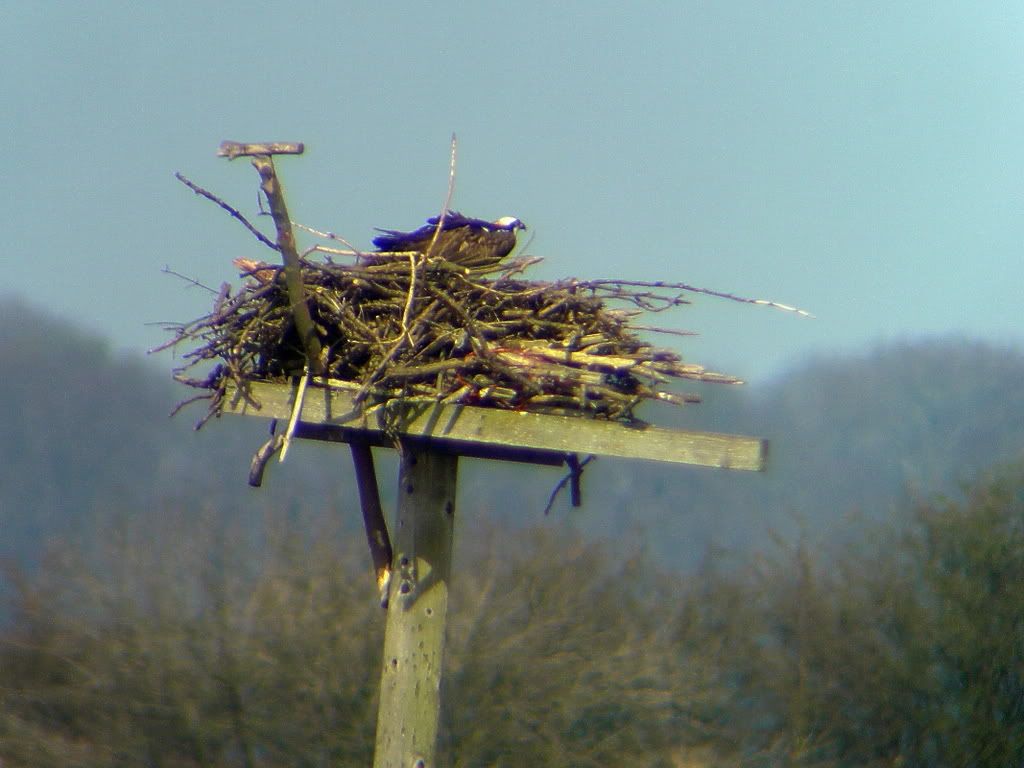
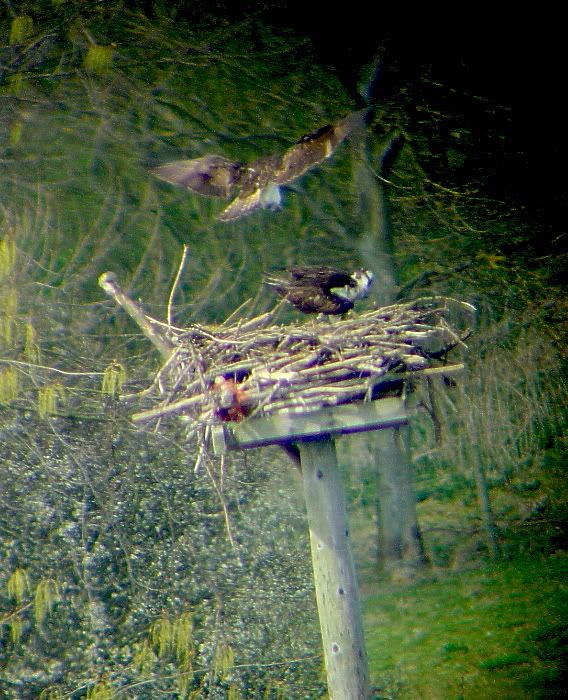
Big surprise was the new lagoon on the north side of Egleton Reserve, even googling after the visit I find very little online to cover quite what an interesting development it is. Being Rutland it's another big area of water with islands and scrapes that are an obvious magnet for all kinds of waders, and crowning glory of this achievement is an Osprey platform with attending bird. To give an idea of what it's already getting we saw Sanderling, Sandwich Tern and Avocet on or around that lagoon (gales over the last few days certainly helped with that). At one point the two Avocets mobbed the Osprey, which really underlines two of the big successes in British bird conservation over the last couple of decades. Who'd have imagined that even 15 years ago?

On other lagoons, three Black Terns, a pair of summer plumage Black-necked Grebes, and dozens of Hobbies hawking high and low, are all birds to make any day. Early evening a Cuckoo finally showed itself after teasing with distant calls all day long.

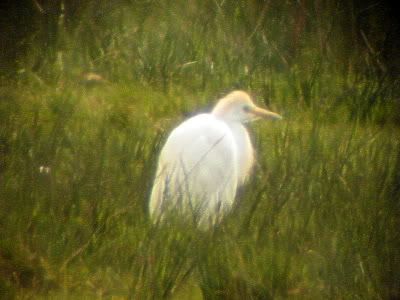
Shouldn't forget the reason we travelled in the first place, the Cattle Egret. Always kind of distant, invariably gorgeous, and yes it was among the cows (substituting for the elephants and rhinos of Africa).

An apparently plastic* Ruddy Shelduck hybrid raised and disappointed hopes, and yet what a richly coloured bird nonetheless.

Get thee to Rutland!Osprey nidifying...
...Hobby... flying.

Ruddy/Cape/Egyptian Goose/Shelduck thing

Cattle Egret


Plus, a bonus video, shot from a good distance...


*plastic - noun, slang: A wild bird of dubious origin, usually an escapee from an ornamental wildfowl collection.

Monday, 22 October 2007

Relishing Rutland

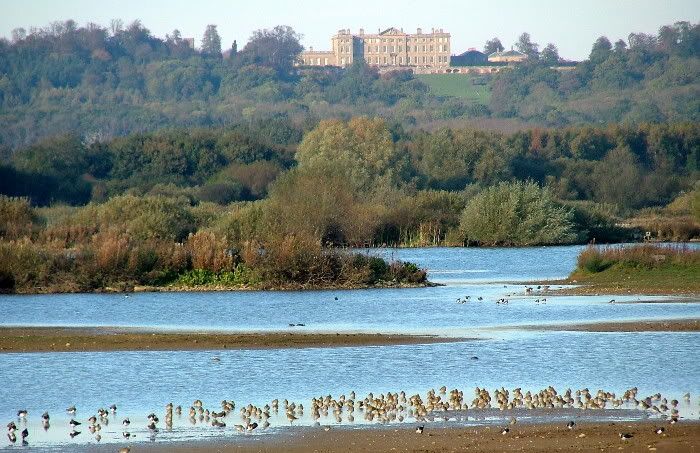
Golden Plover below Hambleton Hall

Yesterday the girlfriend went down south on business again, giving me chance to get dropped off at Rutland Water and picked up again at the end of the day. Always worth a visit, I didn't find any of the rarer grebes from last time, but I did bag a new lifer, a Goshawk (#203).

The raptor was distant enough to make a glimpse through binoculars suggest Buzzard on size alone, no doubting a Goshawk though when I located it on the scope. Certainly big, all pale below, long in the tail, with fairly broad-tipped wings of not the hugest span (ruling out Peregrine as a contender). Finally some strong slow wingbeats confirmed it was a bird of substance, not an unusually big looked Sparrowhawk - which are much more prone to a weak flapping action when they soar.
Alas, a quick glance around the hide showed only novice birders with no scopes, so I concentrated on confirming ID for myself rather than spreading the news and the Goshawk, always faraway, soon sailed off into the distance over the Hambleton peninsula. Ultimately the find was a bit like the difference between a Carrion Crow and Raven; for all the smaller crows or hawks you check, you just know almost instantly when you've finally found the bigger, more impressive bird.

Not so sure Goshawk are much of a fixture at Rutland, but the great mix of habitat shouldn't make it too surprising I would suppose, especially at this time of the year when some of the birds spread to more open country.
Anyway, I'm chuffed - an unforeseen lifer!

Elsewhere around the reserve it was very quiet for a Sunday and I had many hides all to myself. That way I could sit silently and patiently and got some terrific views of Kingfisher and Water Rail, and in one a Wren sat on the ledge next to me. One of those seldom occasions you find a tick inside the hide. It sure cursed at me too. I was alone but I still smiled, I still laughed to myself, that's what birds can do to you. They're all a gift, a pleasure so often coming with the unexpected and this feisty wee Wren being no different.

I haven't posted a day list for a long time so here's the score for yesterday:

1. Barn Owl (heard)
2. Blackbird
3. Black-headed Gull
4. Blue Tit
5. Bullfinch
6. Canada Goose
7. Carrion Crow
8. Chaffinch
9. Collared Dove
10. Common Gull
11. Coot
12. Cormorant
13. Dunnock
14. Egyptian Goose (2)
15. Fieldfare (c.50)
16. Gadwall
17. Goldcrest
18. Golden Plover
19. Goldeneye (c.20 my first of the season)
20. Goldfinch
21. Goshawk (briefly circled high over the peninsula)
22. Great Crested Grebe
23. Great Tit
24. Green Sandpiper (5+)
25. Green Woodpecker
26. Greenfinch
27. Grey Heron
28. Greylag Goose
29. Herring Gull
30. House Sparrow
31. Jackdaw
32. Jay
33. Kestrel
34. Kingfisher
35. Lapwing
36. Lesser Black-backed Gull
37. Linnet
38. Little Egret
39. Little Grebe
40. Little Stint (2)
41. Long-tailed Tit
42. Magpie
43. Mallard
44. Meadow Pipit
45. Mistle Thrush
46. Moorhen
47. Mute Swan
48. Pheasant
49. Pied Wagtail
50. Pintail
51. Pochard
52. Redshank
53. Redwing
54. Reed Bunting
55. Robin
56. Rook
57. Ruddy Duck
58. Ruff
59. Shoveler
60. Snipe
61. Sparrowhawk
62. Starling
63. Stock Dove
64. Stonechat (at least 6)
65. Tawny Owl (heard being mobbed by crows at 18:30)
66. Teal
67. Tree Sparrow
68. Treecreeper
69. Tufted Duck
70. Water Rail (good views of 3 from quiet hides nobody else stopped to look from)
71. Wigeon
72. Woodpigeon
73. Wren (one of which flew inside the Harrier Hide)

The sort of list that describes the broad variety of habitats they have at Rutland Water.

The girlfriend was late in picking me up, one whole hour late actually, so I was stranded in the dark for a while. No complaints from me as along the path I found a Tawny Owl getting grief from a pair of crows, and the tell tale shrieking of a Barn Owl.

Some pictures from the day:
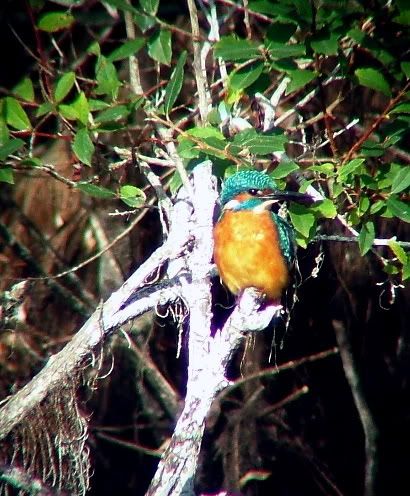
Kingfisher

Green Sandpiper
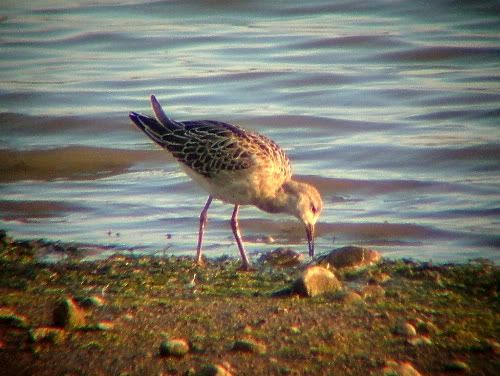
Ruff
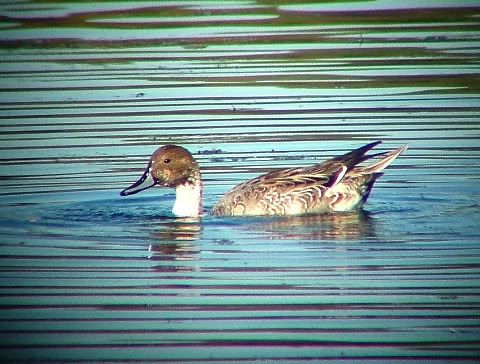
Pintail
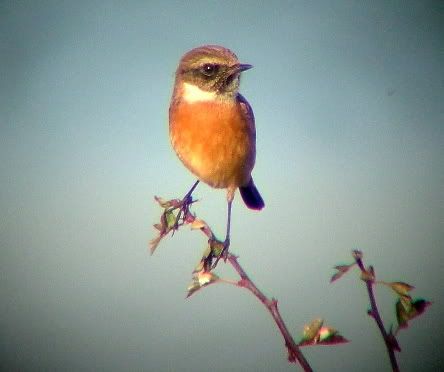
Stonechat
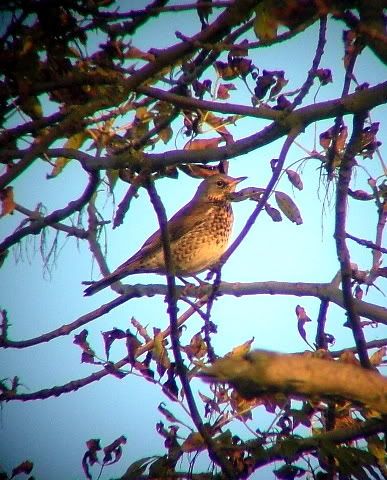
Fieldfare

(All taken through my 8x42s.)

You know, you could do a lot worse than spend a whole day watching birds.

In other news, my mobile phone has given out on me after a noble effort lasting almost 10 years, and I just whacked in a new ink cartridge in my printer. Why do I mention this? The RSPB are still collecting both for recycling/fundraising - the weblink - be sure to keep it in mind.
Monday, 8 October 2007

Try the Quiet Road


Goldfinch at Rutland Water

Business took the girlfriend south this weekend, so I tagged along to scour bird site down there I've seldom visited.

She dropped me off at Little Paxton mid-morning, giving me just enough time to get around the northern half of the reserve there. The site is made up of a network of older flooded pits and the current sand and gravel workings. Unlike many destinations Autumn isn't really the time to go; in Spring/Summer Little Paxton is famed for its Nightingales (28 singing males in 2006) and in Winter its a good site for m
igrant ducks like Smew and Goldeneye. So on my visit it was 'quiet', precisely the word used by the chaps doing the WeBS count that morning. I could have saved them their time, Wigeon, Wigeon and more Wigeon, write that down!

I did pick up a few Redwing, Meadow Pipits, Pintail and a Herring Gull, for a list that hardly broke 30 species. There were better birds around, a Little Stint elsewhere on the southern side of the reserve, a place I'll know to look in future.


Time came to head back northward and we detoured to Rutland Water, keen chiefly to find better views of the juvie Red-necked Grebe from last weekend. True enough it was fishing along the same shore, almost doing circles around a paddling fisherman, still far off but in better light. It looked a touch smaller than I imagine, quite significant compared to the GCGs. Also out there was a pair of winter plumage Black-necked Grebe conducting what looked like partial courtship display - head-flicking and synchronised diving.
The sandpipers of last weekend were all gone, indicating what a small window o
f opportunity migration is for picking up species like Curlew Sandpiper, and otherwise the most notable presence were the 8 Little Egret gathered on an island in front of the Egleton visitor centre. Will they stay for the winter?

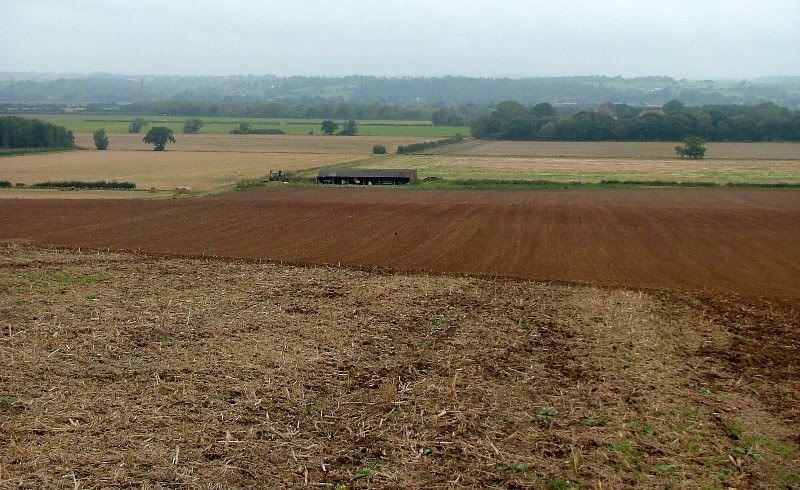
Finally on the drive home we meandered through minor farm roads back to the A1, hoping to spot something from the car on the way, and we did. In a freshly ploughed field just sou
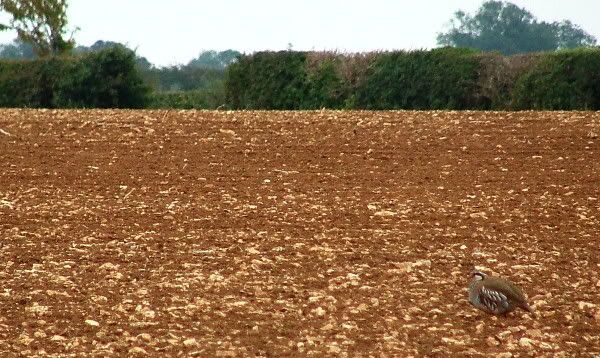
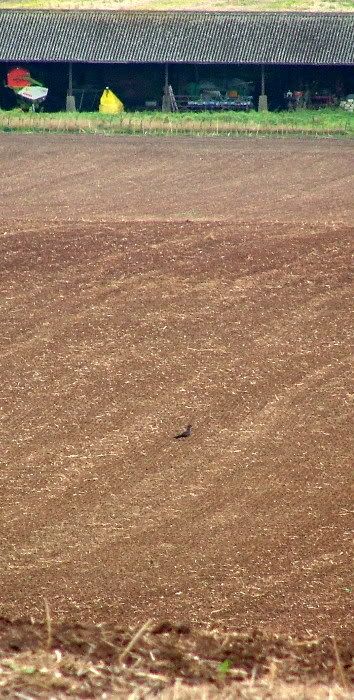
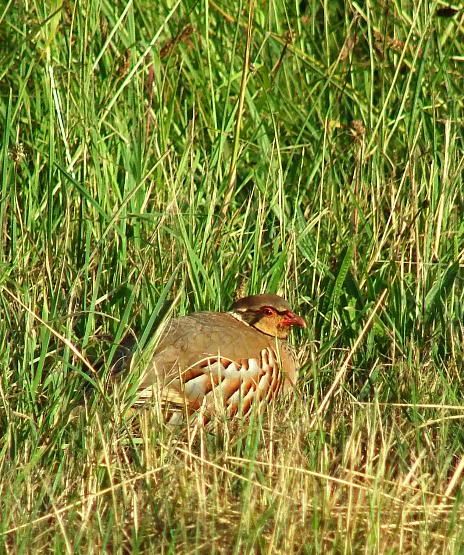
th of the RAF base at Cottesmore a flock of 20+ Red-legged Partridge came into view.


Spot the Red-leg.

Video 1 - Run Partridge Run!
Video 2- Very distant fuzzy Black-necked Grebe

As for tomorrow, I'm at Carsington for another ABB! event and, lord, does the weather look awful. The weatherman, he talks about inches of rain.

Saturday, 29 September 2007

3-in-One Day

I must have been a teenager, ten years or more ago. I really can't remember the time last I encountered 3 birds for my life list on one day. What to say but god bless the man who invented bird sightings websites!

First target today was the long-staying juvie Long-tailed Skua in the south of Nottinghamshire. The bird was found two Mondays ago and still this morning there it was, staunchly quartering the stubble field its made a home of for two weeks, harassed only by the occasional Carrion Crow. Stunning bird too, the skua, in a sort of chocolate duffle coat plumage.


Alas, my photographs were distant.
Video 1 - Video 2

Much closer pictures can be found here, (apparently) taken with the landowners consent. That was the problem with this skua, every birder who traipsed the half mile out there knowing it to be a relatively tame individual had to muster all their self-restraint and hold back from blustering across the field for a better look. It was easy to see how sometimes birdwatchers pose a trespass nuisance, though I was surprised to find on a Saturday morning it just was the girlfriend and me with the bird to ourselves, maybe everybody else had already seen it?
Actually no, after pointing the bird out to a couple of new arrivals, it was time to make haste for Rutland and two more of the day's targets.

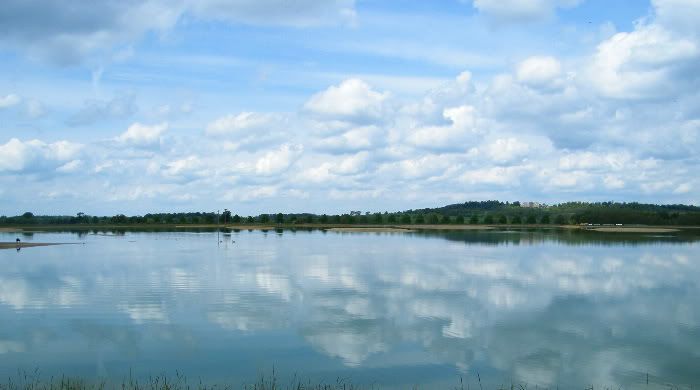
The scene at Rutland Water.

First stop was the Lyndon Reserve, overlooking the Manton Bay area of the reservoir. Out there among the flurry of Commic Terns and Black-headed Gulls, was what we'd come for, a solitary juvenile Sabine's Gull, hawking and nipping up insects from the surface waters. As you can perhaps see here, the grey-white-black pattern of the wings is so very distinctive that you could call it from half a mile off. And here's a thought, it came all the way from Arctic Canada, or even Siberia!


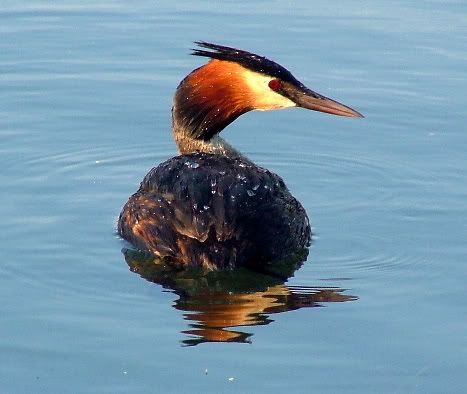
Third target was Red-necked Grebe, which I thought we'd missed after failing to find it in Manton Bay, where two days of reports had it located. Then having retired to pick up some waders at the Egleton Reserve, at 5pm just before turning home there it was, in the far distance from the last hide along, showing just enough plumage information to distinguish from a GCG. It was the broad dusky neck that did it, the Great Crested Grebe always has a pure white throat at all times of year.
So the moral of the story is never lose hope as long as you're still out there!


Other notables for the day; Little Gull, Artic Tern, Curlew and Green Sandpiper, Little Stint, Ruff, Little Egret, Black-necked Grebe, Whinchat.
64 species for the day, I'm sure several easy ticks overlooked in the hunt for the spectacular.

Some thumbnails:

Spot the Skua!

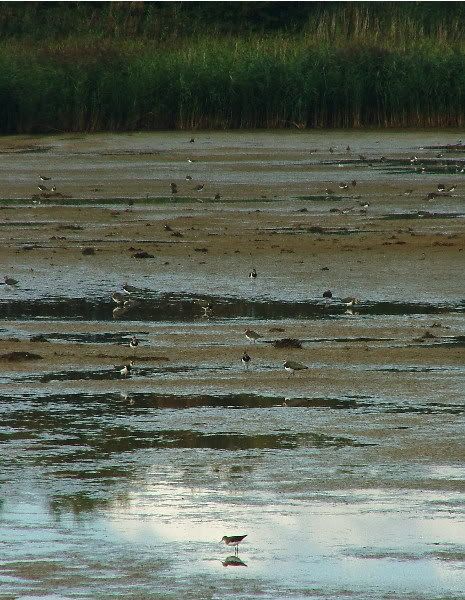
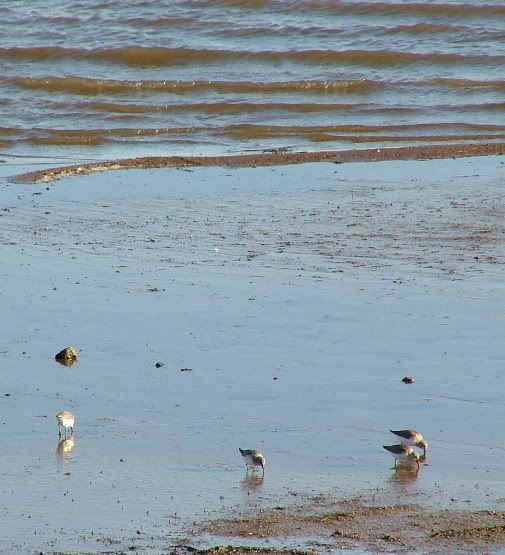
Rutland waders.

Green Sandpipers.

Little Egret.

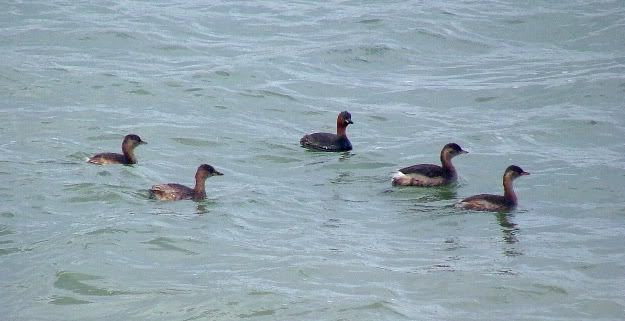
Dabchicks.

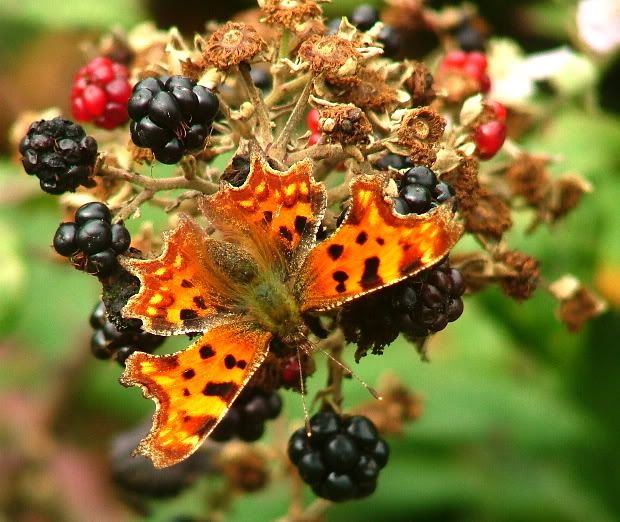
Comma.


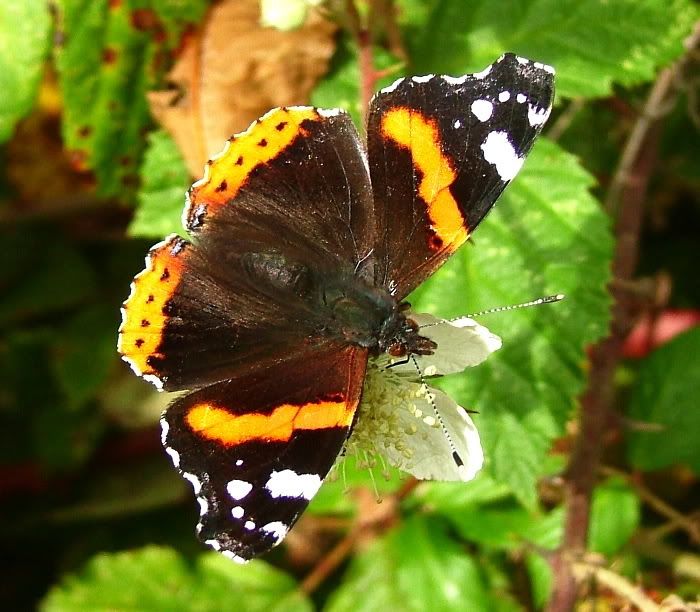
Red Admiral.

Finally, a couple of local spots, an Arctic Tern at Kings Mill Reservoir, one of several that passed through the county that day, and at Pleasley Colliery a Yellow-legged Gull. One of the individuals that roosts at Carsington Water maybe?

Oh, and just nipping out into the garden I heard a flock of Redwing going over. This time of year, pop your ear out at night and you could get them just about anywhere.

Friday, 15 June 2007

Rutland Water in June


Had the chance for a brief stop-off at Rutland Water a couple of days ago. It's always good value there and pretty quiet in the middle of the week too. I made for the Egleton Reserve side since that's where the greatest variety of species congregate, even if the Lyndon Reserve can boast its Osprey Nest.
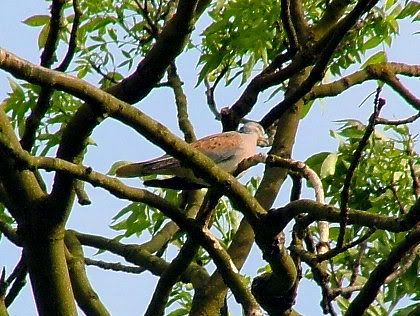
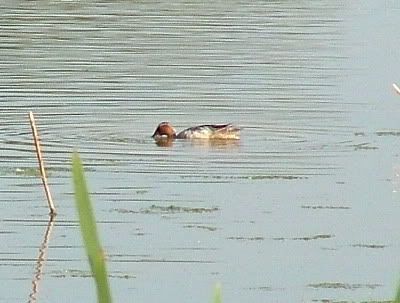
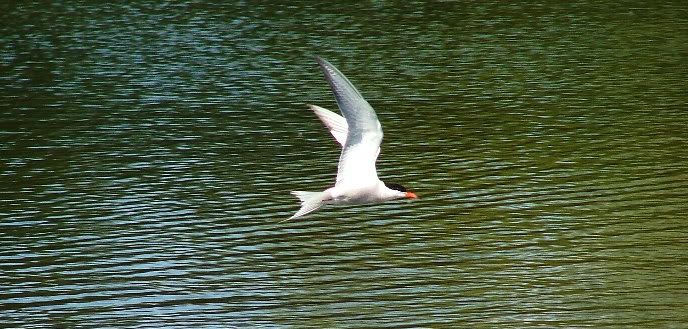
71 species wasn't bad and I'm certain nowhere near as many as there are actually on site. Osprey aside, the birds of the day were the drake Garganey feeding in the shallows, and the Turtle Dove purring in a willow tree beside the path, #161 and #162 for my year.There was added spectacle as one hide overlooks a small stretch of lagoon favoured very much by the Common Terns. Little more than 5 yards from the hide they would splash down after fry.

Video One - Splash Down!


Video Two - Wait for it, wait for it...


Okay, a rather distant record shot I admit, undeniably Garganey though.


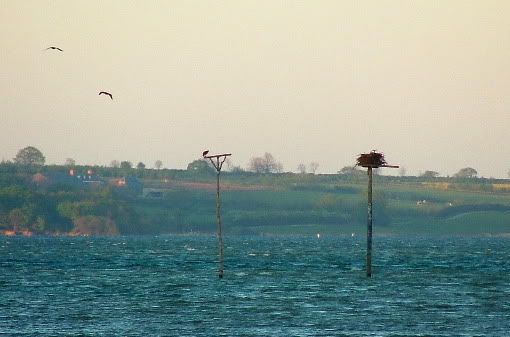
The Manton Bay Ospreys on the left here. Their diary says they currently have two chicks on the go, one-to-two weeks old. Must have been rough for them these past couple of days.

There was a 'probable' Sqaucco Heron reported the previous day, though no signs during my time there. I spoke with a couple of other birders and they feel the same way I do, somebody probably mistook a Barn Owl in flight. It happens, especially during an influx.

As ever, it was worth starting off early on any north-south journey through the midlands, if it gets in time at Rutland Water.

Thursday, 3 May 2007

Paxton Pits

Down Cambridge way for business I tagged along with the girlfriend so that we could make a day out of it, including a saunter around Paxton Pits Nature Reserve, with a number of target birds in mind. Number one was the Paxton speciality, Nightingale, indeed the reserve is probably the best place for them in Britain with 20+ calling males already arrived.

During our last visit there late in the season the birds were only shrieking the occasional alarm call and my girlfriend felt rather disappointed, not really understanding the acclaim of the Nightingale. This time I'm pleased to say they were in fantastic voice, just listen to the video (below). Best visual sighting was the occasions when a fairly small brown bird flew away from the bushes and the song stopped.

Other best birds of the day were the 4 Hobby that passed above, hawking for insects at high altitude for a while in the early afternoon, and my first Garden Warbler of the year [#150]. Attracted first by the Blackcap-like-call that doesn't quite sound right, it is really difficult to impress anybody who hasn't seen one just how plain they look. Speaks a lot that the most significant marking on the dull brown bird is a dull grey patch behind the ear. Other warblers showed well too, Reed, Sedge and Willow Warbler, Chiffchaff and Whitethroat too.

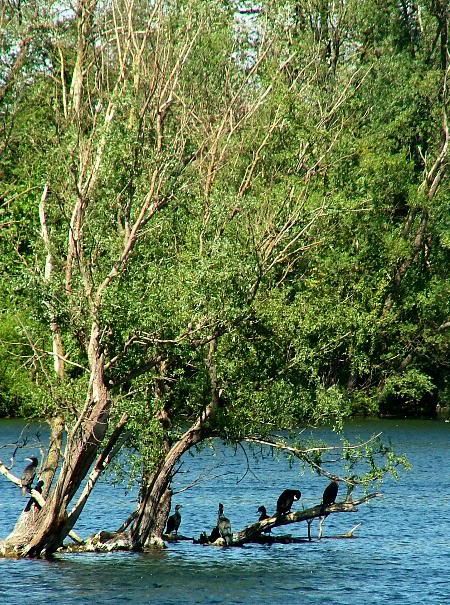
Paxton also has a very large Cormorant colony, 160 pairs so I'm told.


On the way back up the A1 a brief detour to Rutland and a pull in on the A6003 that overlooks the Osprey nest in Manton Bay, where we saw the male bring in a late fish supper.
That pair are now incubating eggs which is great news, particularly since neither has bred before.

Wednesday, 11 April 2007

Norfolk Trip Part One: Via Rutland

Okay, a lot of updating to do here after our brief Easter sojourn in Norfolk, for the 4 days we managed spot on 100 species, a target I hadn't dared to speak of before totting up the list.

First stop on the way south was Rutland. The local news had mentioned the Osprey were returning so we hit the south side of the reservoir, the Lyndon Reserve where sightings are apparently most likely, it had just opened to the summer public that morning.
As we arrived there was quite the hubbub among the volunteers, they were very excited. Turned out a sixth bird had just returned, a female, and immediately rested into one of the next structures. We headed for the overlooking hides.
That's the female, she was noticeably bigger than the male.


And he was ready to mate, little matter that she'd only just completed her migration all the way from Africa. Three times he mounted and three times she very certainly shrugged him off. So instead the male headed off to collect sticks and grass for the nest.


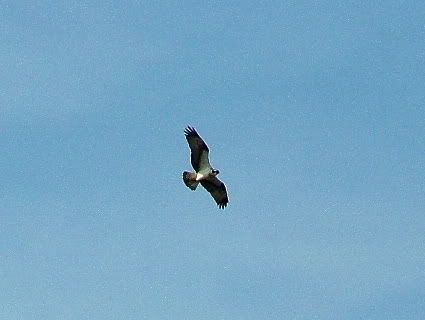
That's him during his display flight (you can read more about this pair here).

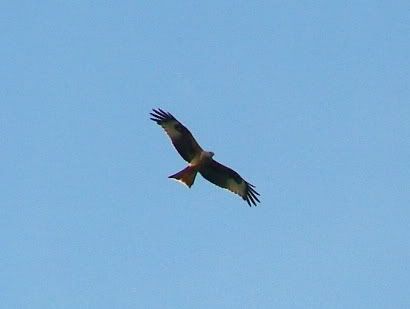
During which he was joined by a couple of Red Kite. Very special sights indeed.

And on the ground in front, two Muntjac nibbled on the reed edges.

In all honesty there wasn't very much else to be seen around the Lyndon Reserve so we headed for the Egleton side where habitat is a bit more varied, with wader scrapes etc. Even there it was pretty quiet, plenty of nice birds, Goldeneye, Pintail, Egyptian Goose, Chiffchaff, my first House Martin of the year, and the Tree Sparrow at the feeding station near the visitor centre.

It was a marvellous first leg to the trip.

Monday, 20 November 2006

"Walking in the cold driving wind is half the point of birding, don't you know?"

Marvellous clear skies yesterday for our trip to Rutland. Although no megas were around we did see what I tend to think of as glamour birds, those that are a little scarce and very handsome - Goosander, Goldeneye, Red Kite, even Pintail falls into that category for me. Four very decent lifers for my girlfriend in her first year of birding.
Other sightings included Dunlin, Curlew, Egyptian Goose, Little Egret and Goldcrest. As the evening began to draw in I found myself looking across to the southern arm of the Egleton reserve when hundreds of Golden Plover descended to their roost. I've rarely been there so late and definitely plan to leave late next time I go. Around that time countless groups of 20-50 Starling hurried in and into the distance one of those awing swirling humongous winter flocks gather and tossed and turned into the distance, how many individual birds by the end I really don't know, just think of a number and triple it.

We chose Rutland in hopes of seeing Bittern, since on the Birdguides.com website one had been regularly reported at the site. No luck on the day, but I think we'll continue to keep an eye on that website, seems like the premier source for the latest sightings news and bird photographs. It will probably help us to decide which destinations to choose and when, even if that means paying a subscription when the free account deadline runs out.

Happy birding everyone.

Thursday, 13 July 2006

Rutland Water

There are half a dozen posts I've meaning to type up about my recent bird trips, so I'll begin with the most recent - Rutland Water.

Little wonder the site is annual host to the British Birdfair, it truly is second to none. With the breadth of habitat and literally dozens of hides a day's list grows rapidly indeed. We only spent three hours and casually chalked up 67 species in all, I'm certain a little more attention might have crept us up toward 80 but this was intended as a leisurely visit with my girlfriend and we missed the hides to the south of the centre. Really the place demands a full day, dawn to dusk if you're able.

We didn't catch the Ospreys this time, though they are around. One of the team looking after them told us he'd seen the nest earlier in the day and the youngster was flapping its wing, tip-toeing into the air, very ready to get going.
His tip was to head out onto the Hambleton peninsula early in the morning and late in the evening, and find a spot on one of the bays. This we did, but I fear we chose the wrong bay for all we saw were Common Terns, Egyptian Geese and fishermen.

Best species of the day was Black-necked Grebe, although my personal favourites where the summer Black-tailed Godwits very rusty and orange-red. Close views of fishing Common Terns were also particularly memorable.

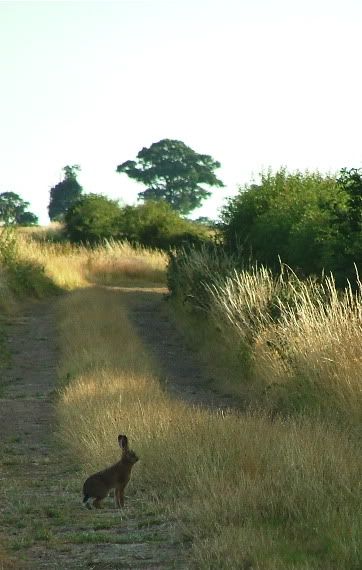
The quiet roads back north offered almost as much wildlife as the reserve. Weaving back through the quiet country lanes and villages might be far slower than the A1, but when was the last time you saw hare, Red-legged Partridge and Sparrowhawk as you rushed along at 60mph on a dual carriageway?
Surely worth the time, effort and wrong turns.

If I was pressed to recommend one and only one birding destination, Rutland Water may very well be my choice.