Monday, 24 April 2006

Two Places to Visit

Over the Easter weekend I was fortunate enough to get a few days with family down on the Norfolk coast, during which I made a trip to a reserve I'd often heard about but never visited.

NWT Hickling Broad
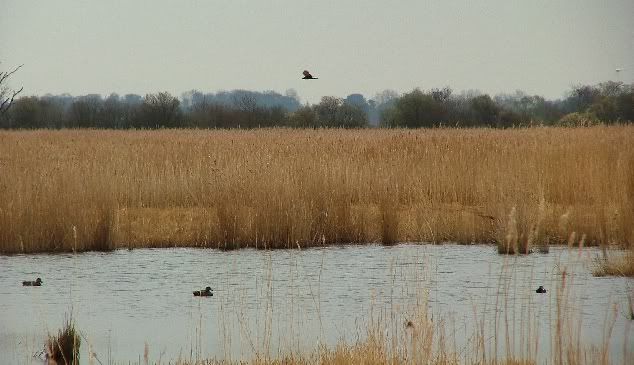
Home to vast ranges of reed, interspersed with small pools, bordered on one side by the expansive waters of the broad, Hickling offers a near unique habitat for birds and wildlife, with wooded areas and sedge too. Though the star attraction are the Bittern, I wasn't fortunate enough to see the secretative bird on this occasion, but any disappointment was dispelled by stellar views of breeding Marsh Harrier. Previously I'd only seen the raptor very distantly, and not really been able to appreciate the patchwork plumage of the male, of the cream-tipped chocolate of the females. This time it was all on view, the harriers far closer to the hide than could have been imagined, close enough to watch a spectacular food exchange. My days list wasn't huge, but the common warblers are present, as are species like Teal, Shelduck, Snipe, Lapwing, and I heard Bearded Tit too.

Secondly,
Potteric Carr Nature Reserve
Situated on the south side of Doncaster this is a reserve still partially under development, but already a cracking destination for birders. Prime among its number are breeding Black-necked Grebe (which I was lucky enough to see performing a courtship dance), though here again Bittern may well be sighted.
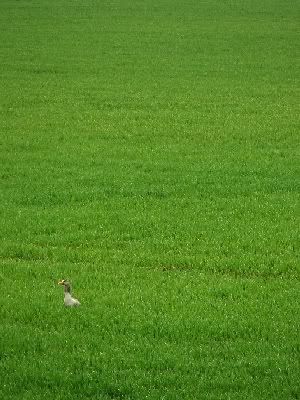
With reeds, glades, and open farmland, there's good walking and tidy hides - this place is modern and it's good. A dual carriageway lies nearby the reserve and the east coat mainline actually running through it, that said there is greater peace than you might imagine.
The opening hours are 9-to-5, and Potteric Carr really deserves a full day.
One cautionary note, the reserve isn't very well sign-posted, so make sure of your route beforehand. When we arrived the welcome was warm, with a very informative lady making sure we understood the map, where the birds might be and how to cross the railway. She was really rather sweet.

You could do a lot worse than set out for either reserve.

Tuesday, 28 March 2006

Surprises

During a birding trip to Clumber Park in Nottinghamshire on an unsuccessful hunt for the park's famed Hawfinches, a couple of surprises presented themselves around a nearby layby used by birders to spot the Honey Buzzards.

We've seen several of these bottle-green-black pheasants along that stretch of road, birds presumably released during the shooting season.

Then along the fence a pair of shy wild Mandarin Ducks turned up, perched along the top feeding from the seed pots.

Pretty, long time and very welcome Chinese interlopers to our countryside, all seen from our mobile Volkswagen birdhide.

Monday, 16 January 2006

The Green Arrows

I'm a happy birder, it's still only been a matter of days since I saw my last new tick. Although I'm far from a twitcher I find it's nice to keep a growing list and at the bottom of mine now sits Ring-necked Parakeet.

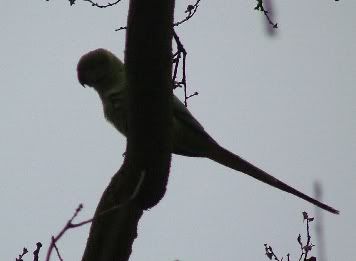
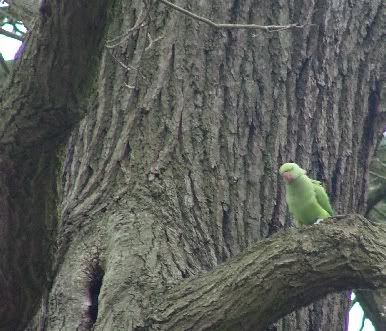
Inevitably I saw them in Richmond Park during a visit to the capital. I confess I'd forgotten it was the famous home to the exotic birds so when the initial screaming calls came I wondered whether a bird of prey was quartering the area. You see, first of all you hear these birds.

As we walked between the pocketed woodlands of the park various groups of these green arrows squawked between the trunks and provided marvellous entertainment. Whatever the debate over the place this thriving escaped species has in our countryside, it's an exciting presence while they last.
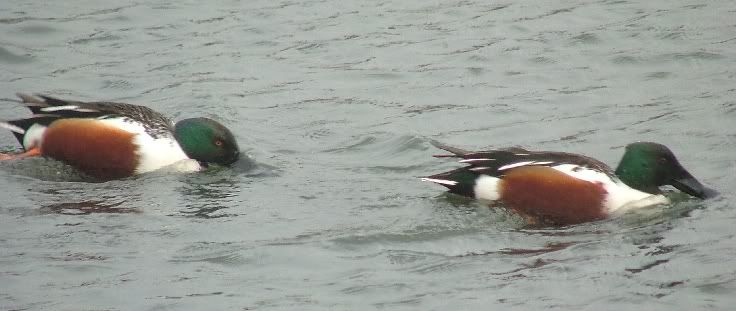
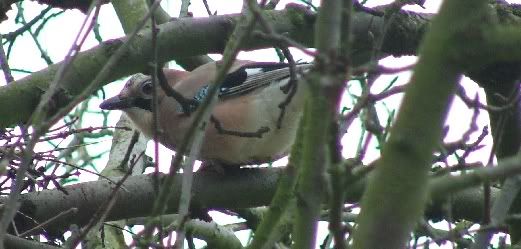
If you can get to Richmond Park it's well worth taking the time, sighting the deer will please any family and for birders, well, within the brief hour or so we saw countless Jay, found Shoveler and Green Woodpecker, nice birds and indicators to what species the habitat can be expected to feature.

Such a surprising silhouette to find wild in Britain.
Admittedly not great shots of the parakeets, but you get the idea.

Also at Richmond,
ShovellerJay

The parks within central London also supply a ready number of birds for the photographer, particularly tamed wild species that would otherwise be vastly difficult for amateur duffers like yours truly to photograph.

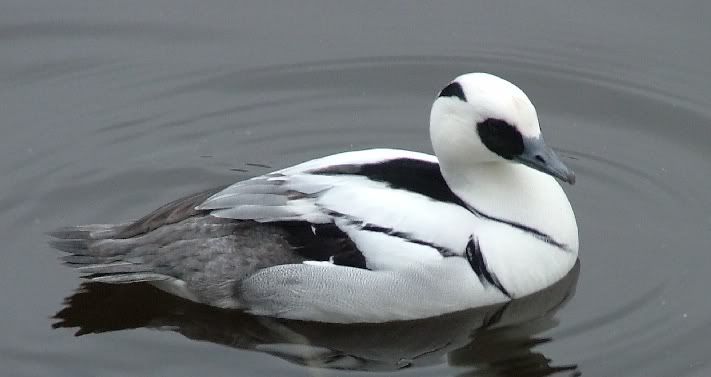
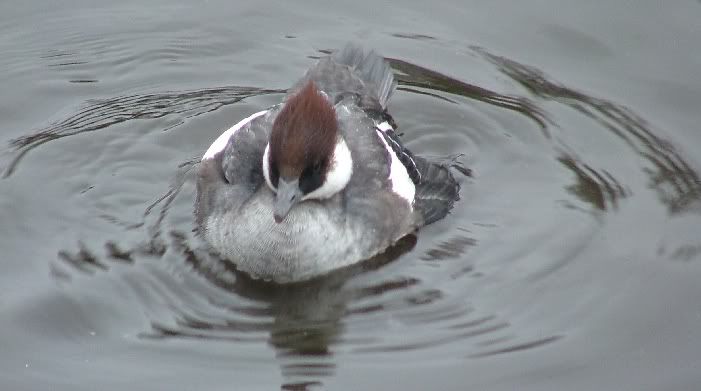
My favourite, the Smew in St James'.

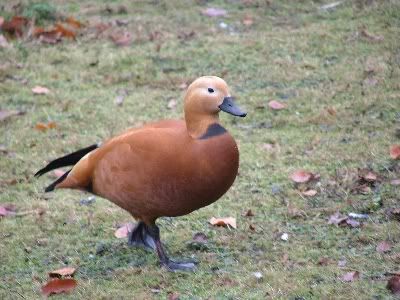
Ruddy Shelduck


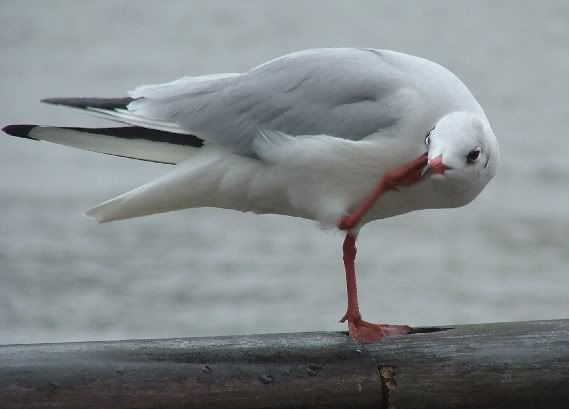
Black-headed Gull

Closer to home, birds at Rufford Country Park in North Notts...


Friday, 22 July 2005

The Local Patch

Gosh, a couple of weeks since my last update here.

The big sighting for me since then was a fine summer plumage Black Necked Grebe on my local patch, a new tick for me.
Beautiful birds, if you think Dabchicks have a fluffy behind you ain't seen nothing yet!

I recently grumbled about how unfriendly birders can sometimes be, particularly male birders of a certain age, but I have to quite gladly admit those drawn in by the rarity on my reservoir were far more talkative. I suppose we all assumed we were there to see the grebe, we all knew it was there, so we couldn't spoil the sighting for each other - indeed I directed several grateful spotters to where I saw the bird.
No pictures of the grebe, but here are those birds I did capture,

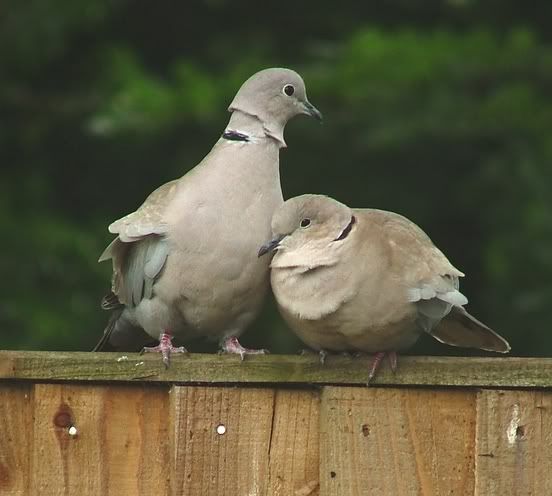
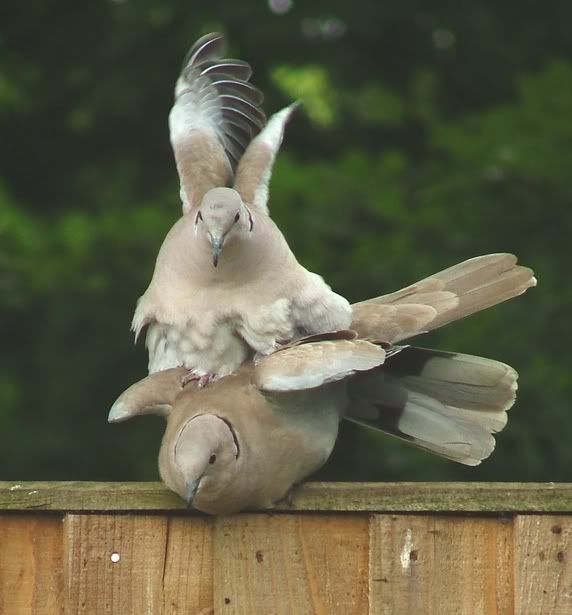
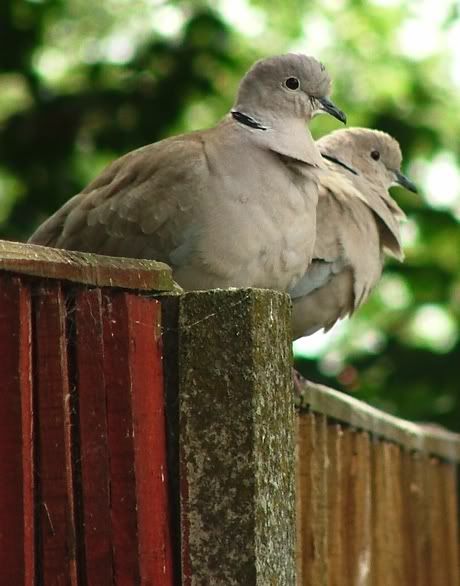
Collared Dove
It seems to me that foreplay for Collared Doves is arguably the easiest in the known animal kingdom. The sweet spot, that which, ahem gets her going, is very practically marked out, how convenient for the males!
Oh, go on then...

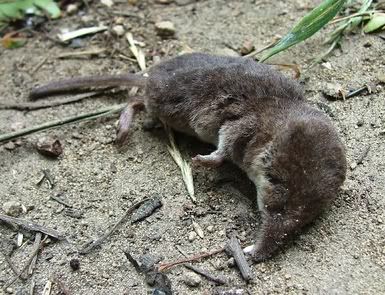
On the big list of British mammals you only ever see when they're dead, you can add the Common Shrew. Poor guys, they live only a matter of months, must eat their own weight in small insects everyday and are lucky to raise one family, that's the life of a beetle, not a furred creature.
Thursday, 23 June 2005

General update

My fledgling count went reasonably well, although the Song Thrush decided to avoid showing up until after the deadline. In all for my garden, 3 adult Blackbirds and no young, 8 adult House Sparrows and 7 young, 1 adult Robin and no young, 5 adult Starlings and 7 young. Those were the highest numbers of each at any one time.
These national counts always seems to have a southern bias. Blackbirds don't seem to fledge here for another couple of weeks, there are more Sparrows and Starlings later in the summer too. With an entire month of difference between Spring striking the North and South in this country maybe these surveys are missing out on the real numbers.

Anyway, lots of pictures, and one bird I was particularly happy to finally get a snap of...


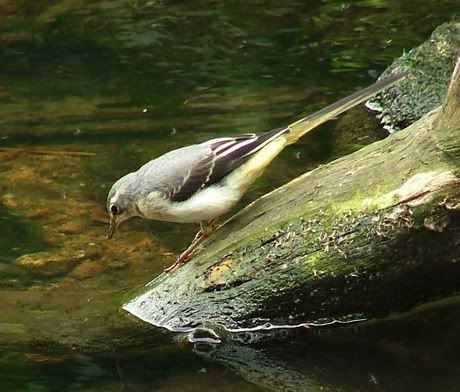
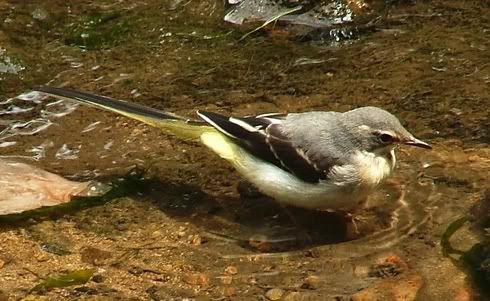
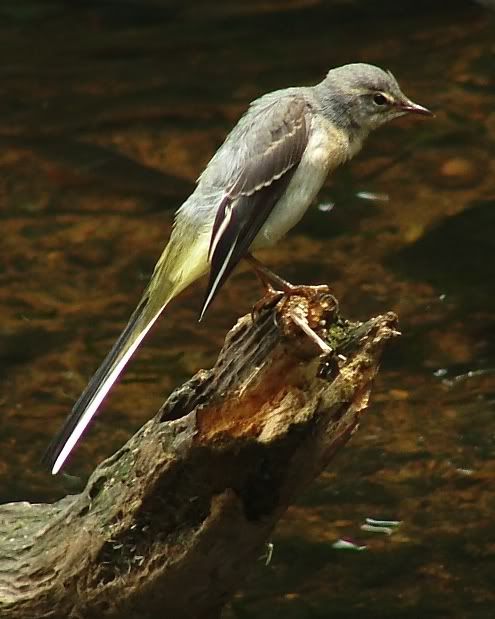
It's a Grey Wagtail. Only a juvenile but a Grey Wagtail nonetheless. As the name suggests they wag their tails, A LOT, and are always on the move, ants in their pants or something, and are quite shy, hence the difficulty snapping them.
No ants actually, the wagtailing is all about constantly moving in order break up their reflection in the water. The birds feed on invertebrates in the stream and need to see them without their own beak shining back up at them.

Anyway, more of him...


More images from the reservoir...


Meanwhile at the local community country park...

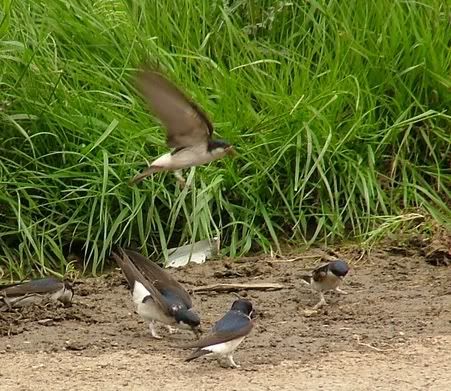
House Martins are just the sweetest of birds, and still nest building, a muddy patch beside the carpark offered a perfect supply of material.

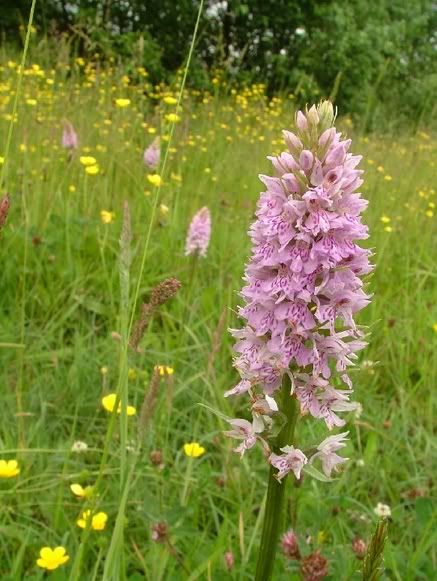
This time of year the orchids are dazzling. These are Common Spotted, yet uncommonly pretty.

Monday, 13 June 2005

General Birding Update

Fledgling Count continues through to the 19th. I'm spending maybe ten or fifteen minutes twice a day at the busiest bird times surveying my garden. It's been super interesting. Usually I glance out of our kitchen window and if any eye-catching bird is around I'll stop and look. But waiting at the window, I've seen so much more! The kestrel that quarters our suburbs, it even hovers over the enclosed gardens most of which are no larger than a half a tennis court. And the Robin, scarce and very shy in our neighbourhood, yet bold enough to sip water from the bucket by my window that is home to a frog. The Coal Tit back and forth from the feeders, ferrying seed several gardens away, even if caterpillars are the ideal choice for the chicks.
Patience counts for a lot in bird watching, even in your garden.

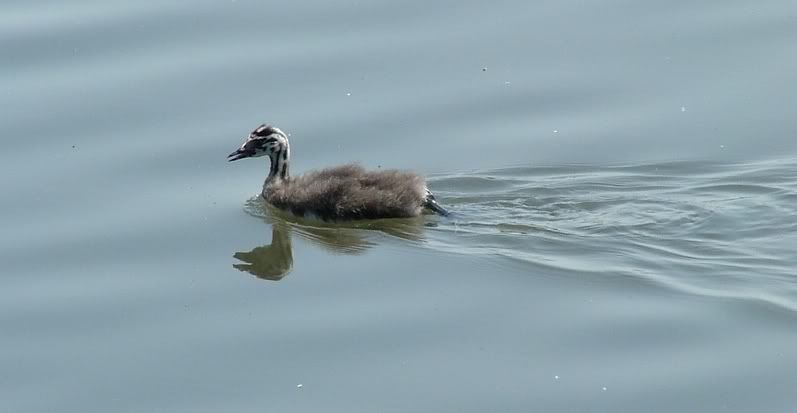
The Great Crested Grebe pair/nest I've been photographing at the reservoir since late winter seems to have only raised one chick, and quite a spoilt one by now. Two parents spend the whole day around it.

Swifts are always a treat at this time of year.


Friday, 27 May 2005

Down by the river, below the croaking tree-tops

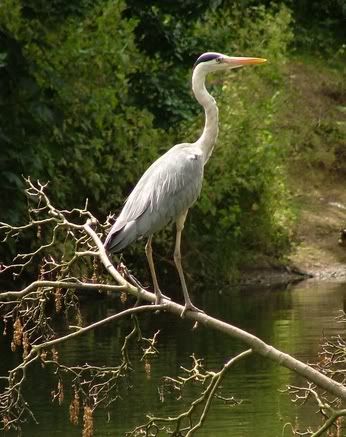
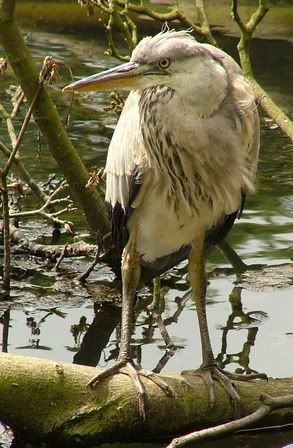
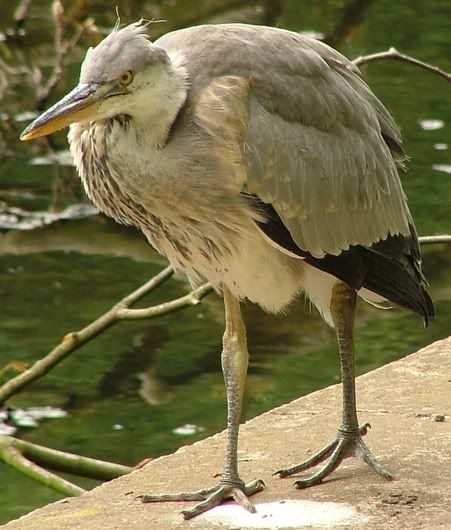
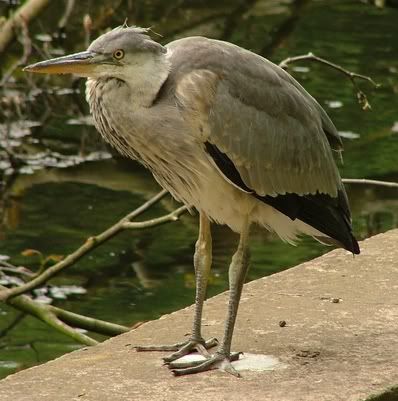
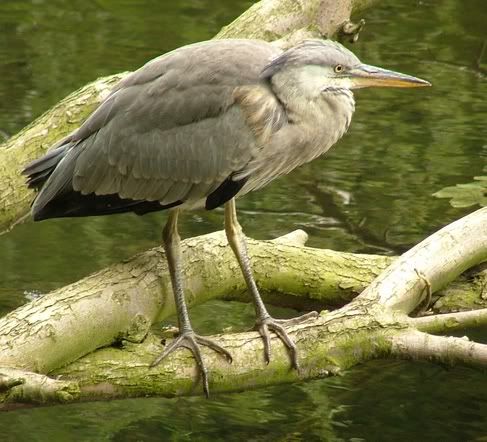
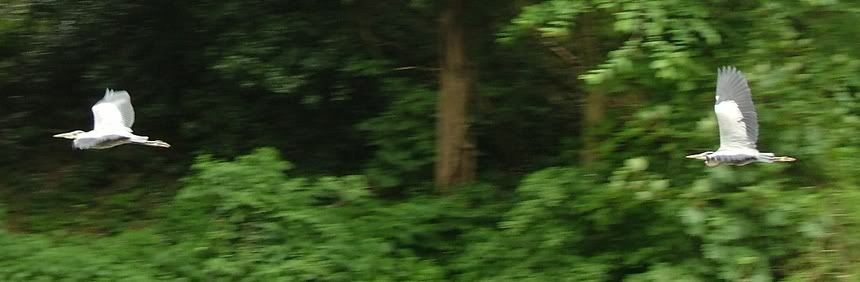
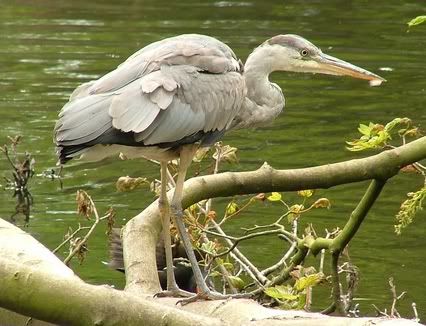
Plenty of time for another reservoir visit yesterday, the place must be getting tired of me, though the herons don't seem to mind...

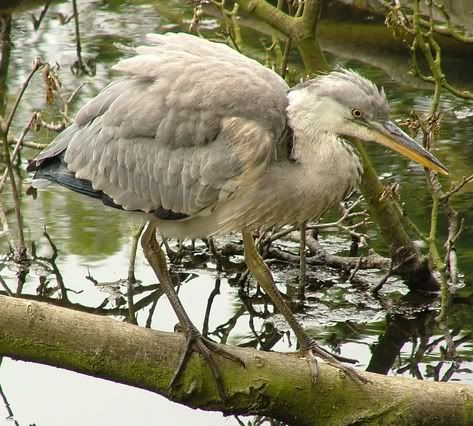
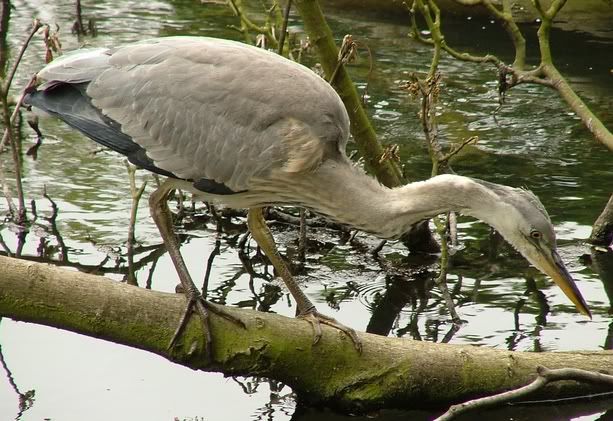
What's he looking at?

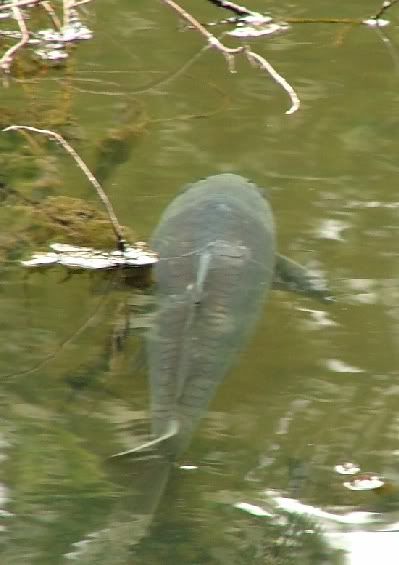
An ambitious sized fish for such a young heron, and lucky escape for a big lazy carp.

Then drama! A yearling swooped in and chased new fledger away...


...circling back around to claim the castle.


Not to worry, youngster found branches further down the river,


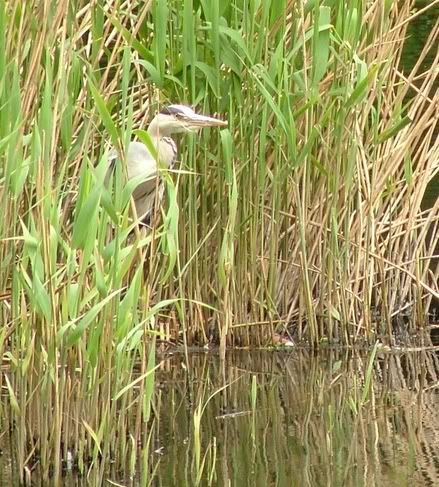
Faraway from the fuss the matured adults have free reign over the safer reedbeds...

...hey, one day youngster!