So I've been at Carsington a bit more often than normal, more Date With Nature days mainly. We're currently trying to make sure everyone has the opportunity to sign up to our Letter to the Future campaign, and let the politicians who can do so much to provide a healthy environment for future generations know just how much we all care about this stuff. If you haven't done it yet, follow this link which tells you all about it.
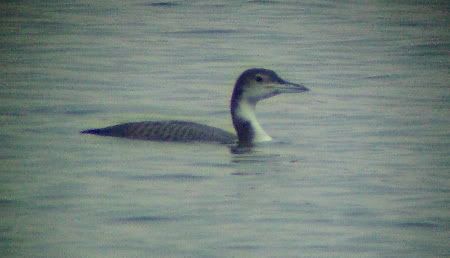
As ever the reservoir remains a brilliant place to be doing this work with some cracking sunsets lately and smattering of tasty birds. I regret I missed the recent Black Redstart (some small consolation that I saw the one last November) , but the Great Northern Diver is settling in now and easy to find most days. Another juvenile bird so bang goes any theory that we get the same birds returning each year, this isn't site fidelity, Carsington is just a natural magnet for any GNDs that end up this far inland. It'll be a sad winter when we don't have one.
And because these divers are such fantastic birds, check out these Youtube videos....
...Common Loon being the given North American name for the same species.
Then there are the surprises that happily occur while on site. Closing things up at the end of another DWN event I had a Barn Owl sail by the Wildlife Centre. In other areas of the reservoir you can expect them, especially the areas with unimproved grassland the STW rangers look after so well, so it was more than pleasant to see it comfortable enough to quarter the busier parts of the water's edge. If it weren't for the volunteering I'd never be up and out there so regularly and I'd miss so many of these things. The rewards they are manifold.
Been a good long time since I've updated here, that's life for you I suppose. Here's a brief summary of my birding exploits since February...
Slimbridge in the early days of March, just a majestic place. Large numbers of Whoopers and Bewicks were still around and perfect in the sunset during the last afternoon feeding session. Green-winged Teal, the close American relative our native duck, was the only lifer on the trip, but you go for the spectacle and sausages in the cafe. A chap at the table next to us asked for an ID and for a relative novice gave a spot description of a Shelduck, and he was thrilled by what he'd seen, they are stunners after all. Don't think I've ever seen a non-birdwatcher converted so completely so quickly. Well done Slimbridge.
Meanwhile at home in the garden the Dunnocks were upto something...
Delicate subject, I'll let Wikipedia explain it: This species makes up for its drab appearance with its breeding behaviour. Females are often polyandrous, breeding with two males at once, and thus giving rise to sperm competition. Males compete for mating access to the female, but DNA fingerprinting has shown that chicks within broods often have different fathers, depending on their success at monopolising access to the fertile female. Males try to ensure their paternity during courtship by pecking at the cloaca of the female to stimulate her to eject the sperm of other males with whom the female has recently mated.
Those were birds in my garden, here's one that might have come from Australia...
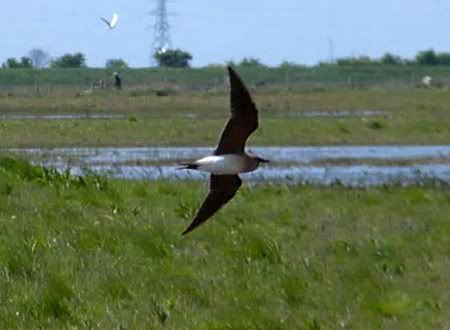
One of the birding events of the year came in May with this Oriental Pratincole at, let me get this right I always mixed it up with Freiston Shore, the RSPB reserve at Frampton Marsh in Lincolnshire. This was a bird that ticked every box, outrageous/unimaginable vagrancy, movie-star looks and enigmatic behaviour. It swooped by the hide hawking for insects much like a Swallow and each time to fresh "wows" from any observer newly arrived. Of course a lifer, and other nice birds included Temminck Stint and Curlew Sandpipers. One of those regional twitches where you see familiar faces, so altogether a very nice day indeed. The RSPB have done wonderful things at Frampton, wasn't many years ago we visited on spec and found pretty featureless bleak marshland with nothing like the variety of life present there now. Well done RSPB!
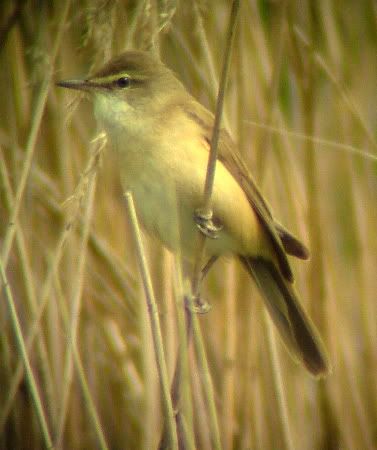
Happily a more local twitch, with a less criminal CO2 output, came with a Great Reed Warbler at Straw's Bridge Nature Reserve near Ilkeston. A local lady heard it singing and recognised it as something very different from what she usually finds and alerted a birdwatcher she knew. Well done her! Bit of a brute as warblers go. Good populations are just across the Channel and it seems like we really ought to see more of these overshooting their migration. Currently they remain a exciting vagrant and potential breeder/coloniser should all the right things happen some day. This one stayed for about two months in a patch of reed bed you could almost stretch your arms around. (Here's a video of it singing.)
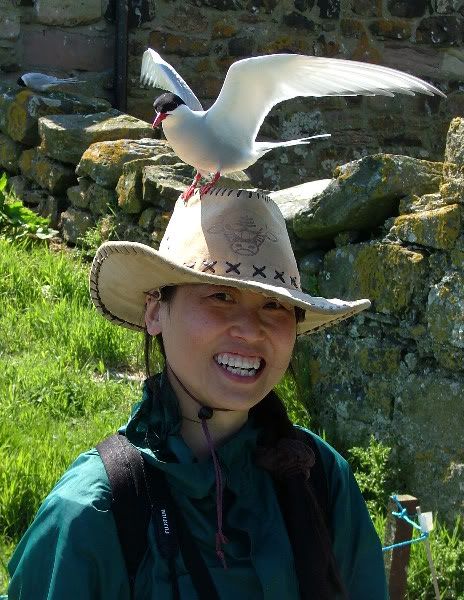
June, and our first trip the Farne Islands... Arctic Tern on the girlfriend's head. Nuff said. For more on the Farnes check out the blog kept by the National Trust wardens.
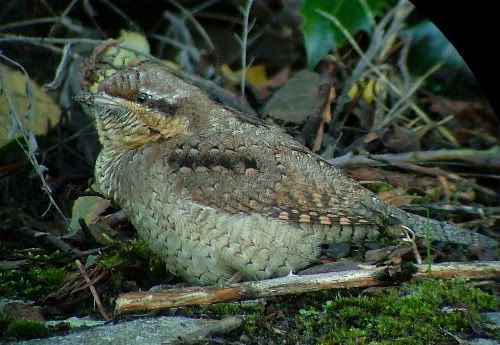
An uneventful summer later and my bird of the year at Carsington Water.My ultimate bogey bird bagged and on the local patch too - I thought it'd be many a fruitless hour spend on the east coast before I saw one of these. It's a Wryneck of course, almost more reptile than bird. Found by one the top chaps from Carsington Bird Club at the reservoir just off the dam wall (which has always been a bit of a migrant magnet). With patience and several rain showers later the bird hopped out from the bushes and within two yards of those of us who stuck around the afternoon. Very rare bird for Derbyshire which makes it more than doubly amazing that another (or the same one) turned up not far away in a housing estate in Heanor. Couldn't get there for that one but by all accounts the residents enjoyed the bird as much any ornithologists as it skipped out of the way of buses and perched on window sills. Some of the local kids on their way school must have seen a truly stunning stop of nature. What a bird!
October and it had to be Spurn. Winds weren't at their most favourable, you can't keep a good place down though.
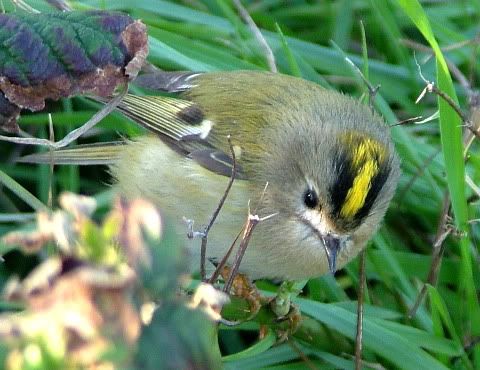
We've had better days there, Waxwing, Snow Buntings, Mealy Redpoll, Merlin, Jack Snipe were the best of it. The girlfriend's favourite was this Goldcrest we found behind the dunes. Completely fearless and perhaps exhausted after a hop across the North Sea (for a bird that would sit comfortable in a teacup a pretty damn amazing achievement), a bit of a treat to see so much detail on such a miniscule bird.
And that's really the chunk of things. Oh there were other days, other birds, Turtle Doves and Cetti's Warbler at Wicken Fen were memorable, and our Little Owls up at the pit did very well this year. Birds for another update, another time. I promise to do my best and keep this blog going, dib dib dib.
Paid a visit to Old Moor at the weekend, good birds, good shop, good times. No stellar species around, Ringed Plover was about the best of it, lots of courting Goosanders, bountiful Lapwing flocks, and an entertaining female Kestrel (pictured) in the car park that dropped down after prey right beside our car. The Yellowhammer comes from the Tree Sparrow Farm area of the reserve where long-staying Brambling weren't playing ball. Wath Ings hide had a Common Snipe several birdwatchers were convincing themselves was the Jack report a day before, it's one of the pitfalls of reading the sightings news that I'm pretty sure was susceptible to once upon a time.
Also been Budby way, as always nice views of several Green Woodpecker, a handful of Crossbills went over, otherwise hardly a dicky around. Better was Carburton were ploughed fields have proved magnetic for numbers of Greylags I've just never seen there before, and among them there be scarcer geese. Four Pinkies, and I found a surprise lifer in a White-front (#229), it looked dark to me but other guys with more experience we're happy it was a Russian race bird. We simply don't get many of either in the East Midlands, although a few birds were seen in North Notts not long after mine.
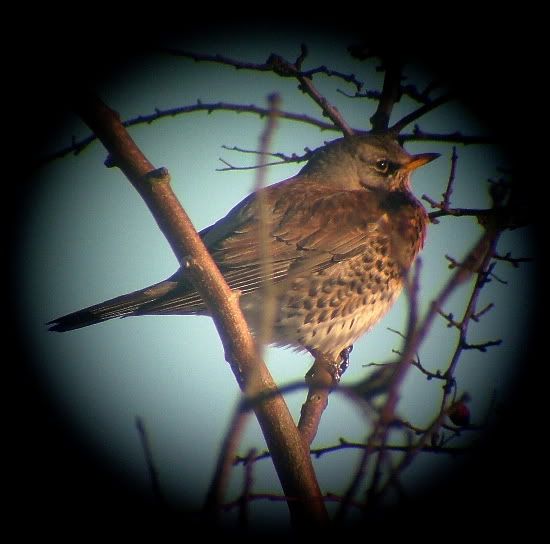
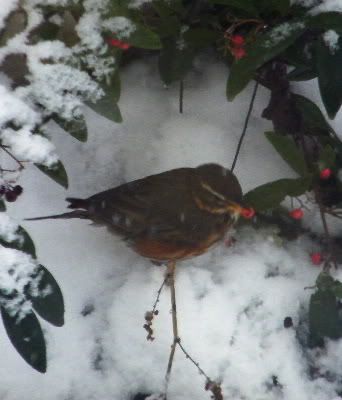
Mostly a garden update this one. All this snow and slipping down in the street has seemed worth it with the feathered visitors we've been getting. The Fieldfare has taken up residency for now, and the very wee cotoneaster and pyracantha we planted in the front garden last year have scored us a Redwing or two. The growing Reed Bunting attendance has peaked with around 15 birds at a time, and I pause to type here because a Mistle Thrush just landed on the lawn, it's squabbling with the Blackbirds over an apple core. Extra bit of excitement came last night when closing the curtains in our spare room I noticed a shape in our heavily prune cherry tree. Twas a Tawny Owl, probably looking for the mice and voles that hoover up the seed spill from the day's action on our front garden feeders. The bird stayed a minute or two, even looked through the window at me. In the end it swooped into the gloom of our back garden, just magical. Makes species #45 on the garden list since moving in almost a year ago.
Final mention goes to the Weasel I saw darting around our patio the other day - another new record for our garden.
Looks like the thaw will set in for a couple of days now, expect we'll be back to normal by the time of the RSPB's Big Garden Birdwatch.
As the water is still frozen there's not been much up at the pit lately. The best I can report is a Great Black-backed Gull as an overfly down in the village the other day.
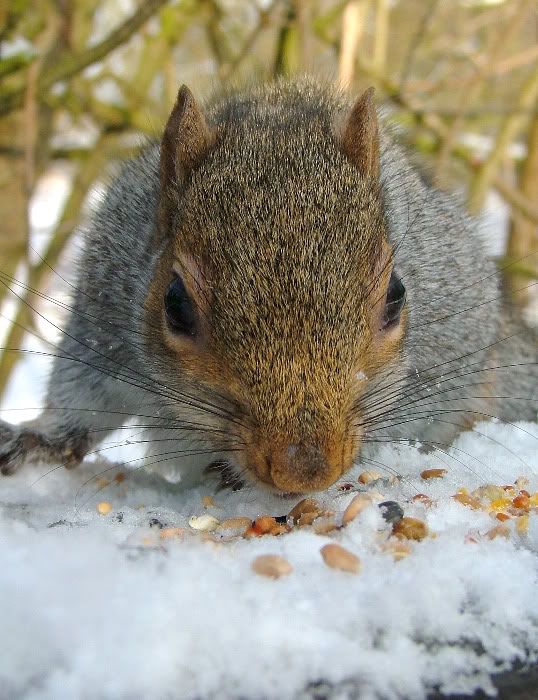
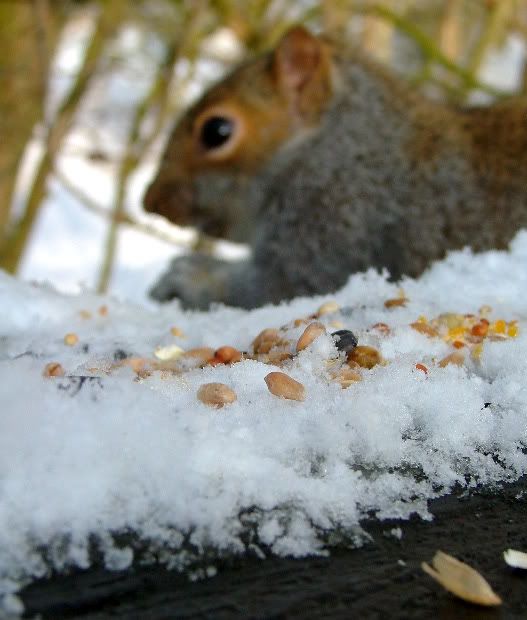
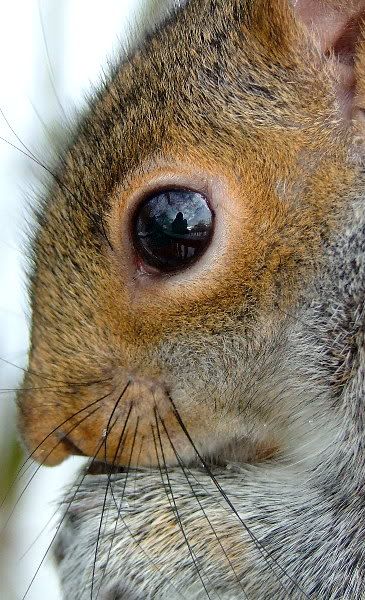
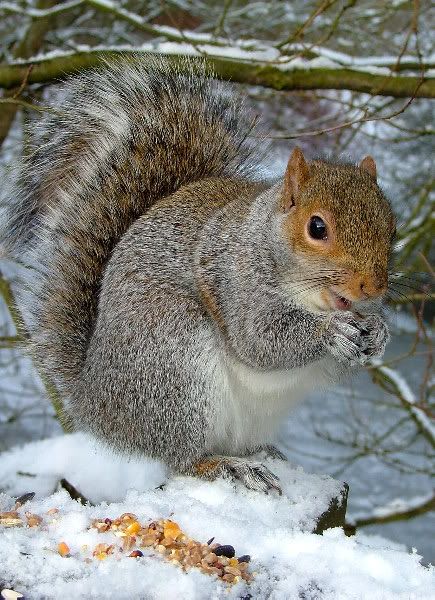
In other news, recent findings suggest that Grey Squirrel impacts on woodland bird populations far less than previously feared, although locally they could be bad news for scarcer species like Hawfinch, so we can almost like them again. The perfect excuse to add a few squirrel pictures to the thumbnails of my recent photographs below...
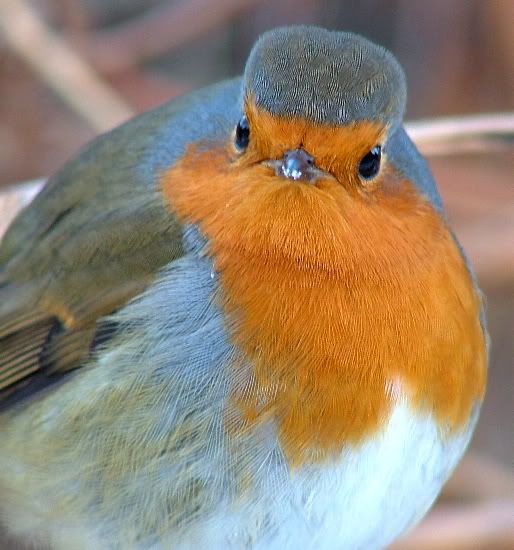
Haven't posted for a while so I'll quickly round up the last month. Bagged two lifers in that time, the first came with the dozens of Common Crossbill at Broomhead Reservoir near Sheffield. Just wasn't getting any luck with well known local sites like Sherwood Pines or Matlock Forest, and learnt about Broomhead on Birdforum. Brilliant places, loads of Crossbills - saw a dozen or so and heard more - mixed in with Goldfinch, Siskin and some entertaining tit flocks. Seemed to disturb a Tawny Owl that flew through the wood around midday. Hand-fed a desperate Robin in the layby where we parked the car. Peaceful place.
A corking Firecrest (#228) accounts for the other lifer, a now well watched bird at Moorgreen Reservoir. Apparently they are present most winters, the word just hadn't gotten out before. Locals speak of Lesser Woodpecker and some other interesting birds in there too. Looks worthy of more attention.
Both species bogey passerines I'm very happy to have finally cracked. Dipped however on a Siberian Stonechat at Bevercotes Pit Wood near Ollerton in Notts. Several European Stonechats around, none quite so dandy as the Sib. Went a day late for that one.
A lot of action in the garden at the moment. About eight inches of snow will do that around here. Numbers of Reed Bunting have hit at least 11, lots of the common finches, Redwing and Fieldfare have been through, Great Spotted Woodpecker too, and next door's apple trees are being vigourously defended by a Mistle Thrush. Late one day a Yellowhammer came and went very briefly - noticed it among a very busy flocked mostly by the very horizontal perching shape. This morning 150+ geese were heading north-west while I had my breakfast, no chance of a defo ID but really they had to be Pink-feet.
Nothing up at Pleasley Pit at the moment, at least nothing on the water, it's been frozen for a fortnight, the last birds I saw were Snipe evacuating elsewhere just before Christmas. The winter thrushes remain, as do a single female Stonechat and lots of Yellowhammers.
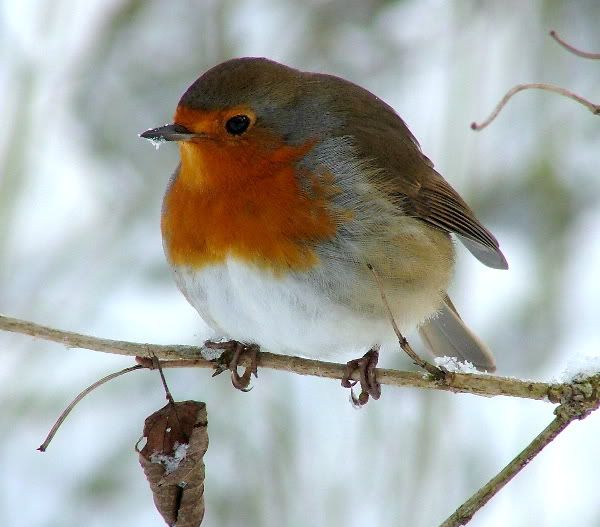
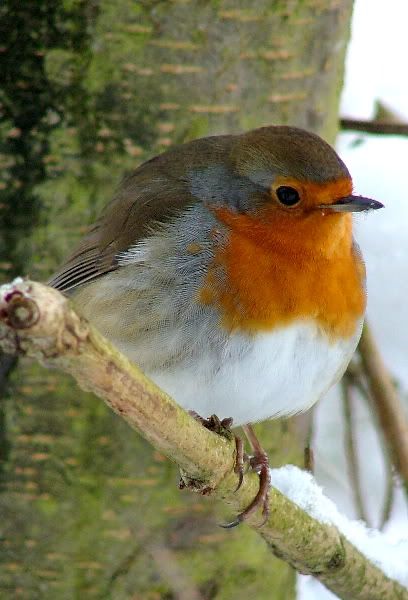
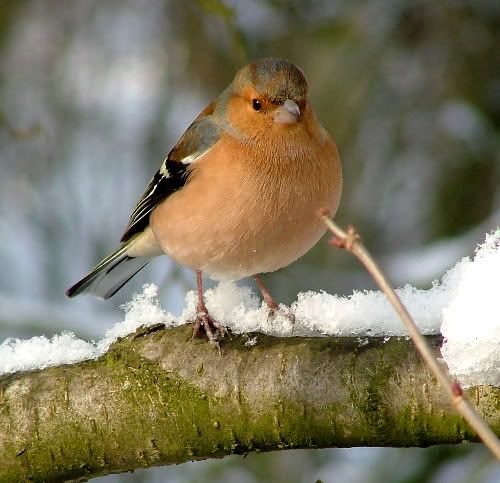
Very quick visit to Rufford with family earlier this week where I managed a few photographs. Wild birds are so tame there it's difficult to go away without a decent image or three.
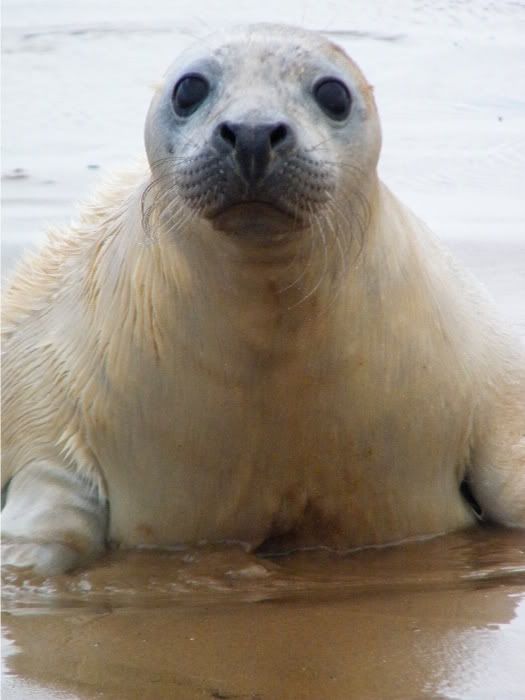
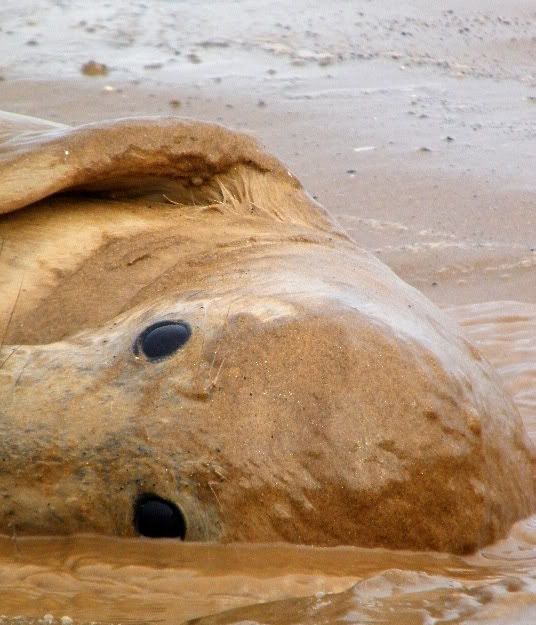
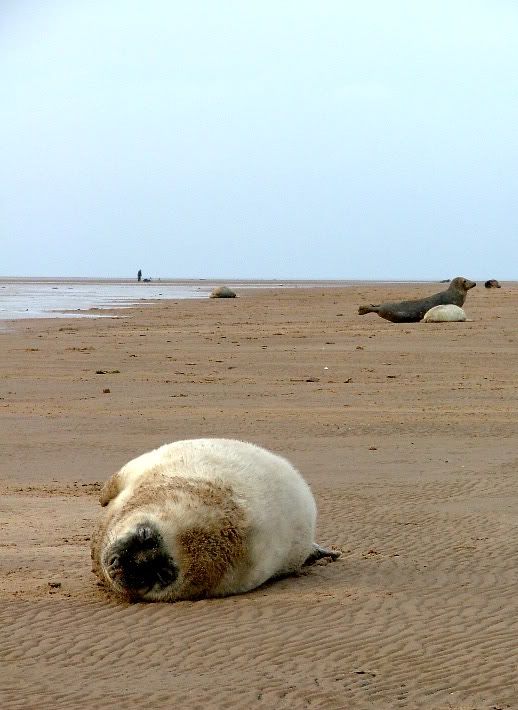
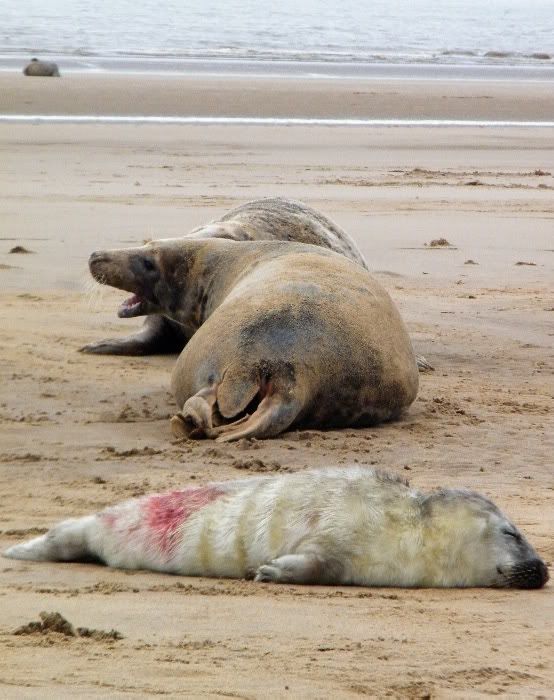
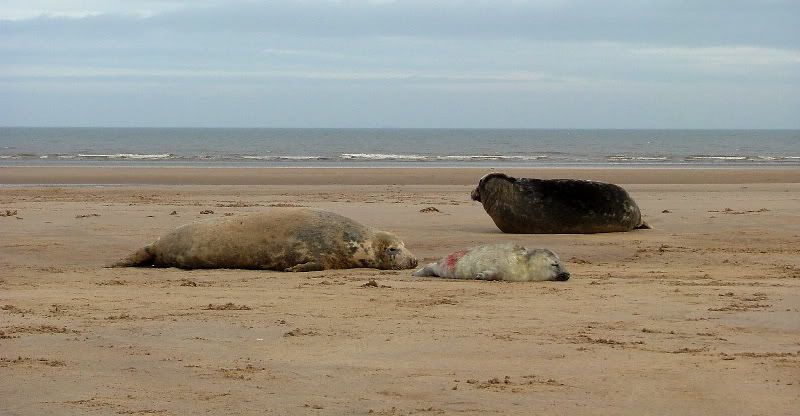
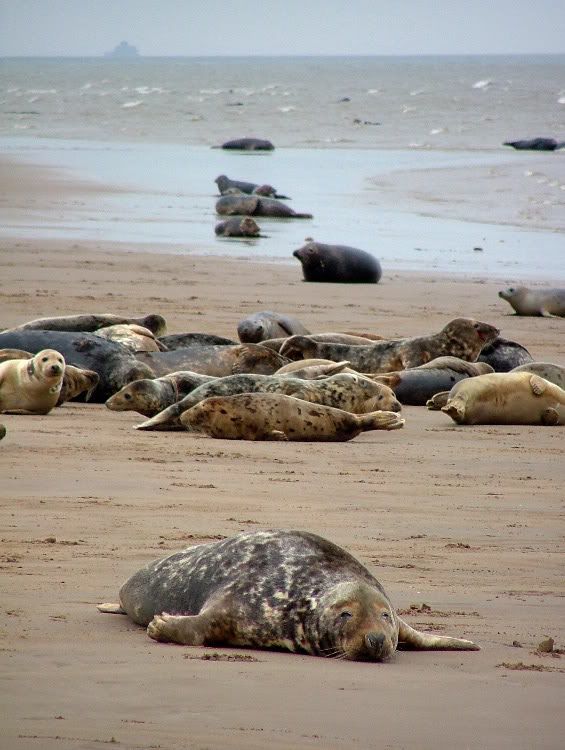
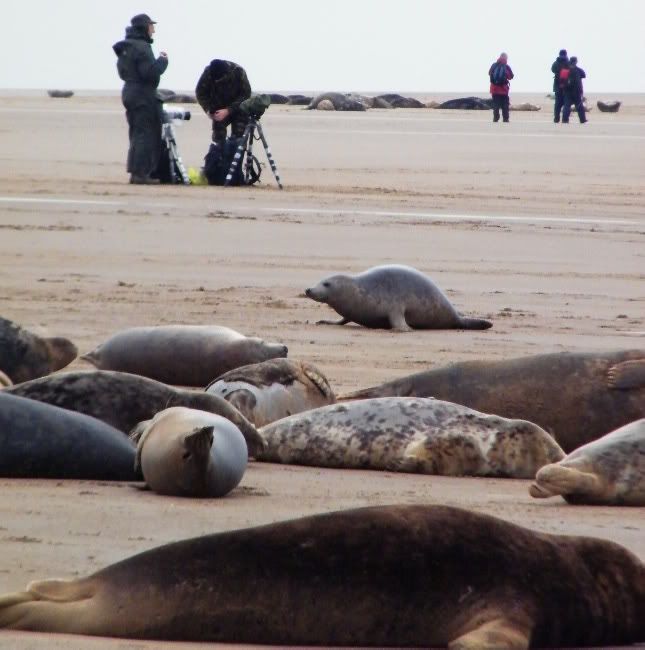
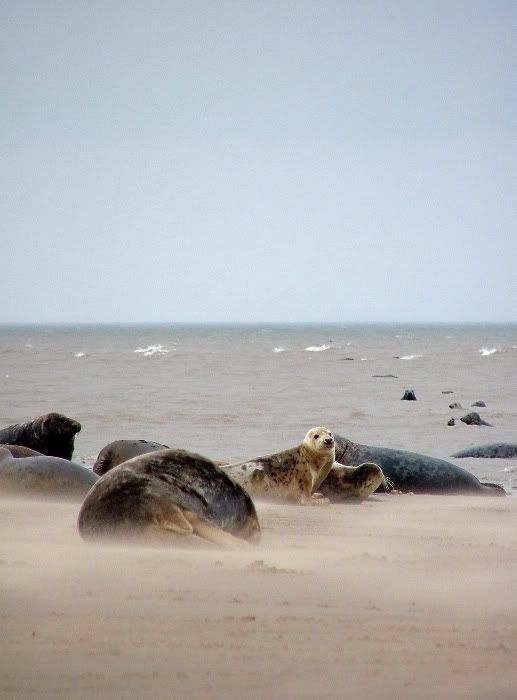
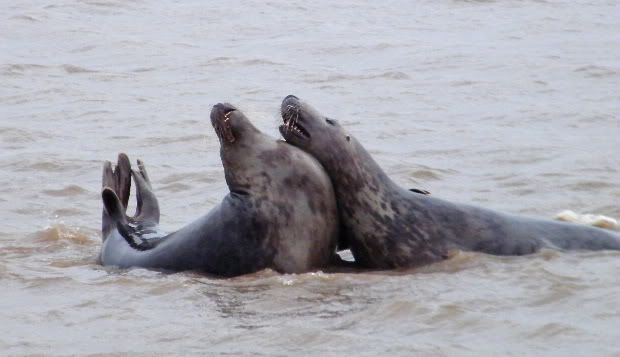
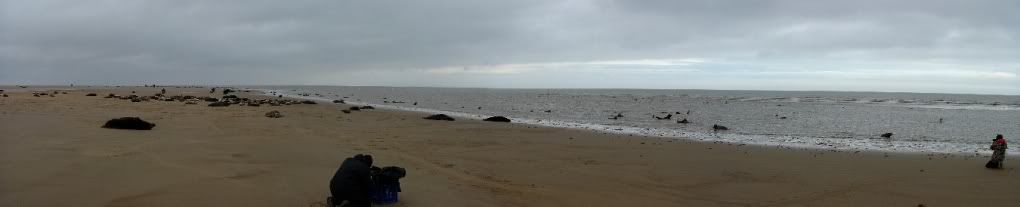
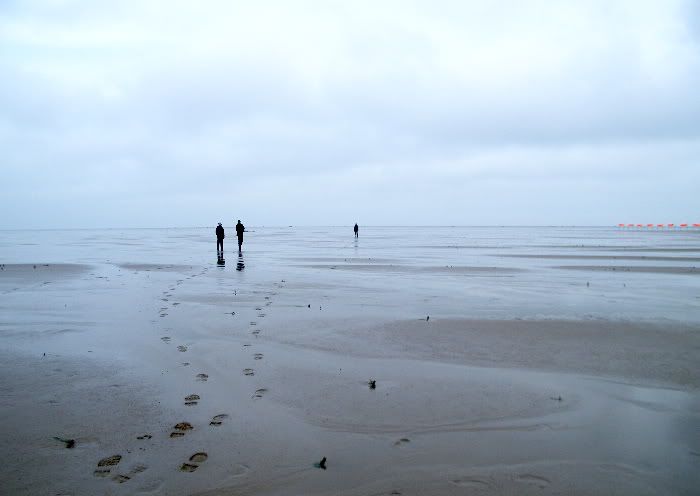
Cute, huh? Donna Nook of course, we had a trip out there with our fellow RSPB crew at Carsington. Amazing place, the numbers say it all;842 seal pups, 955 cows and 344 bulls. All sorts of stories going on with them, to left and right there were new borns, suckling mums, mums ready to give birth, beachmaster brutes fighting for mating patches, and abandoned pups not yet driven to the sea by their hunger. Real wildlife spectacle this one. Zillions of people around too, which makes sense because these few weekends are the best for visiting the colony and it really has to be the weekend because access to the beach is closed for the RAF flyboys to do their bombing practice across the mudflats. These mega visitor numbers make for an odd carnival feel to the whole thing, burger vans and portaloos aren't found at many nature spectacles, so all it's a world of difference from the cold solitudinous suffering that makes for most birding trips at this time of year. Shan't complain about that.The long walk from the dunes to the shore with the low tide does ask a little bit of work from you, which is an effort altogether worth making because there's action far out there, lots of fighting and mating in shallows you miss if you're afraid to get your boots a bit muddy (well... a lot muddy!).
Bird-wise there was always a distant passage of waders, dozens of Curlew, Redshank, Knot, and Brent Geese are always good to see, Great Black-backed Gulls presumably patrolling for afterbirth were nice too. Singles of Turnstone and Sanderling fought the winds down on the shoreline. Bird of the day was a single male Snow Bunting (#226) that overflew during the long trudge across the mudflats. The highly distinct black and white of the wings making for a very welcome, very easy to ID passerine fly over, and for me, a lifer!
After the many dramas of the Grey Seals we took to Rimac for a brief afternoon visit. The potential for Hen Harrier, Short-eared Owls and other top class birds is clear, the best we could muster was a noisy cloud of Twite, a faraway Little Egret, a Sparrowhawk, and Stonechat. A quiet visit then but the saltmarsh not without scenic beauty, well in the right light anyway.
Lots of pictures taken by girlfriend and me, and I've struggled to edit them down to just a few, so here's lots of thumbnails (click to enlarge):
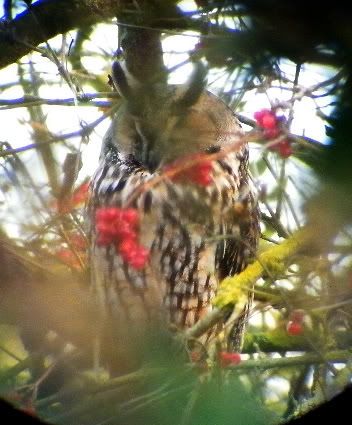
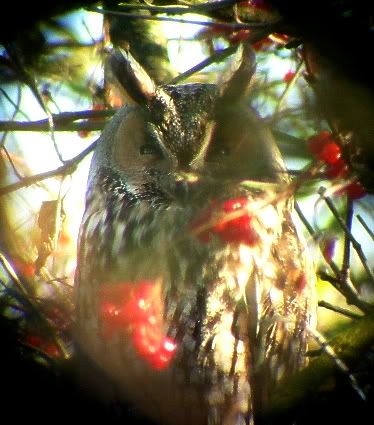
Had a trip down to London at the weekend as the girlfriend needed to visit the Chinese embassy (would you believe the big screen above the desk in the consulate showed pictures of a military parade - missiles, jet fighters, millions of soldiers - I'm not kidding). With the price of train tickets we drove half the way, stopping off at Rutland to break the journey up. Glad we did too, gathered two life birds I was hardly expecting. First was a snoozing Long-eared Owl (#224) by the path to one of the hides. Heard them plenty in Sherwood Forest, the squeaky gate call of the chicks around dusk, first time seeing one though. The other lifer was a Slavonian Grebe (#225), a full winter plumage bird easy to ID, and actually a nice comparison with a few Black-necked Grebes around. Winter ducks aplenty, some nice Golden Plover in the afternoon sun. Didn't have time to check out the assortment of divers off the dam wall. The Little Egret video comes from Rutland, watch out for a Hitchcokian cameo from a Shoveler near the end.
There was time in the day to take in the London parks when down there. The Grey Herons in Regent's Park always a treat, especially if you have a camera.
Also took in maiden ride on my new bicycle today. Went under a mass of Fieldfare, they sounded like a giant bag of marbles being shaken up.
Big day at Carsington this weekend. It began with a report of a Black Redstart (video above), by the end of it Great Northern Diver (mostly summer plumage), female Scaup and Common Scoter, and a Ring-billed Gull made for the best visit I can remember for a long time. First and last birds there lifers too (#222 & #223), and interesting birds. The RB Gull is a Carsi regular, turning up in the roost early each November staying for a few weeks and then it's off again. Must have its reasons I suppose. Bet it spends the summer somewhere like Scotland, can't really see a trans-Atlantic migration from its normal range being made every year. The Black Redstart was a second site record, the previous one a spring bird from as far back as 1996. Charming birds, a sort of smoky delicacy in the feathers, they've a definite touch of class about them. Ours spent a lot of time on the sailing club building, picking off flies warming themselves up on the sunny side of the roof.
To add to the impressive cast earlier in the week we had a Garganey of debatable age and even gender during the RSPB's A Date With Nature event. That's how it can be when you have eclipse males around, this ostensibly female-looking just too warm coloured to be a female. Might still be on the water now. The water is really really low on the reservoir meaning the acreage of exposed mud is enormous, good for the wintering Teal and surely alluring for any vagrant waders. Eyes peeled. The Garganey enjoys the mud too, but really ought to be in Africa already. Yellow-legged Gull, Ravens, Buzzards, Peregrines, Goldeneye, tonnes of Tufties, Wigeon, Pochard and Coot, Snipe and other regulars make it fairly easy to notch maybe 60 species in a day visit at the moment.
Also had good numbers of Pink-footed Geese overflying the few days. Nice to be under their direct flight path between their first port of call in Lancashire and their real destination in Norfolk.
Another video of the Black Redstart, it just misses a whopping big fly there...
Bad bird-blogger, I haven't updated for over a month. To keep it brief mid-October we had our first big trip to Spurn. Not a classic day despite a favourable easterly from the sea, a netted Radde's Warbler released as the Anchor pub car park made for a very cheap life tick (not sure it really counts for that matter), and I chalked of another long-term bogey with a Jack Snipe skulking around the pond at Canal Scrape or whatever it's called. Bar-tailed Godwit, loads of winter Thrushes, a Merlin and smattering other nice birds made it all enjoyable enough. Only bummer was another from the nets - a Red-flanked Bluetail - missed the release for that one and then the bird refused to pop out of the bush it dived into. Invairably whichever side we chose to look from the bugger would briefly show from the other. Grah! For a first experience of Spurn in autumn it was all right, and we'll return next year. The spectacle of dozens of birders and the near-miss car accidents when a report of a mega goes out is something altogether different to local patching.
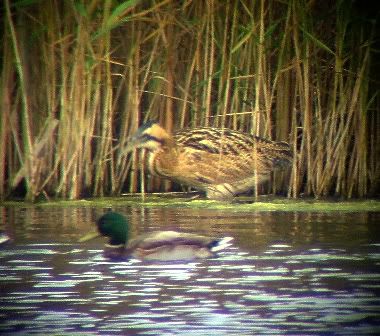
More recently we dipped on a Cetti's Warbler at Potteric Carr (might it winter there?). We picked a day when it chose to keep schtum, the regulars told me the bird has days like that and then others when puts on a real performance. Ah well, loads of Cetti's around the region at the moment, we'll pick one up sooner or later. Superb views of Bittern (video above) made up for any disappointment and I'll agree that Potteric Carr is quickly becoming the best place in the region, some dare even say the country, to see the species. One bird resident, with five expected as winter takes hold. Slightly annoyed by some photographers camped in the hide near the Field Centre, the one with the feeders right infront. Giggling and saying 'poor thing' each time you scare off a GS Woodpecker with an assault of loud photo shutters, and would you believe a flashgun, isn't really on. Hardly what they call fieldcraft is it? Otherwise hugely impressed by the new hides, lots and lots of new hides, overlooking the lagoons where all the Golden Plover hang out. It was always a big nature reserve and now you can access the whole thing, brilliant.
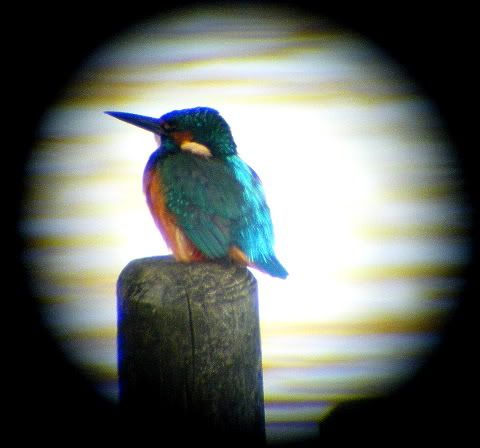
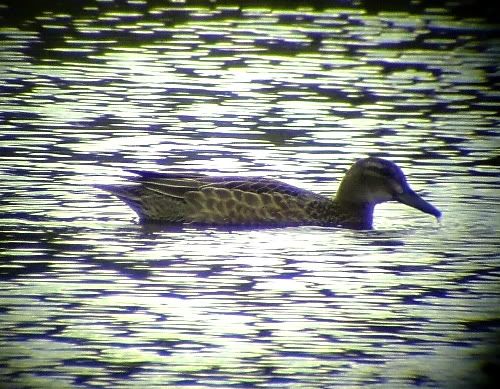
Finally, had a day RSPBing at Carsington yesterday. More schoolkids, more exclamations of 'wicked' after first views of Lapwings through a telescope. Bird of the day was a rusty Garganey that looks more like a juv male than a female. Frustrating to lose the bird when a low-flying Spitfire put up probably every bird on the reservior. Later it was refound at the other end of the water, with a Great Northern Diver, yes - they're back, or at least one so far. Now if we're really talking about the best place in the country to see a particularly scarce bird, Carsi genuinely rates for its GNDs. The Carsington Kingfishers continue to put on good shows...
Last word, Lesser Redpoll in the garden, thats species #41 since January.
Did Carsington last week, first event I've done for months, so long ago they've even changed the name of it - A Date With Nature - sounds like a date worth keeping. Fairly quiet there, the best bird news is the Kingfisher is becoming quite tame and posing very neatly in front of the hides and Wildlife Centre. If it sticks around better photographs should follow, I was busy going wow with the visitors on the day when the birds was super close. Wigeon numbers building, Tufted Ducks and Coots arriving all the time and will soon become so many I think it's a spectacle Carsington is too rarely credited with. A Yellow-legged Gull sat on a tern raft almost literally all day. There was half hour during which it wasn't there. Remember reading somewhere the large gulls spend an average of only 26 minutes feeding each day, so I suppose plus some flight time that approximately correlates.
Plenty of action in the garden too, we've re-sited our nyger feeder and suddenly there are Goldfinch all over it, Coal Tits have also been drawn in. A Chiffchaff this morning makes #38 for our list since moving in last January. Getting on for that time of the year when the Swallows and Martins disappear, still plenty around the hall, takes about a week to realise when I've seen my last one.
Busy times again at work, so less birding at the moment. Couldn't miss out on a juv Garganey at Kings Mill Reservoir, picture above. While at work I have been seeing more Buzzards around Hardwick and a couple of passes from Hobbies lured by the clouds of hirundines that hit us in late summer. Not a single Swallow nest was occupied anywhere around the hall this year, some were repaired but remained unused. Big shame that one. A family of Spotted Flycatchers turned up again in the Stableyard. Green Woodpeckers always a delight to see on my way through the estate.
For cuteness sake, here's a dopy Field Vole we found beside a path during a walk in Dovedale last months. The little fella scurried around my boots. Is it any wonder they are the number one prey item for dozens of predators?
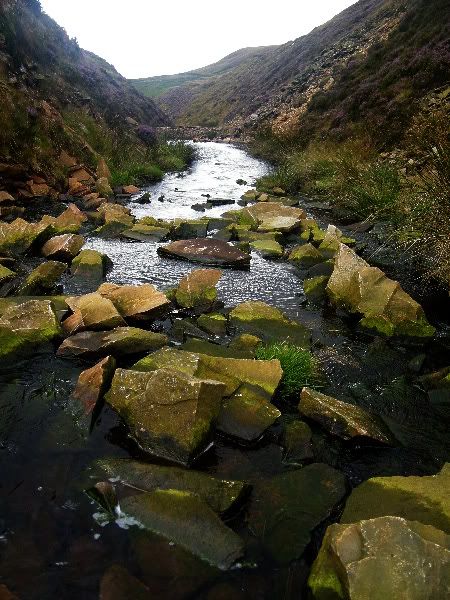
Did a new part of the Peak District for us at the weekend, across most of Derbyshire, beyond Buxton and to the border with Cheshire, where it's bleak and the birds are few - but what birds they are!
After all the driving we eventually found a pull in around Danebower and a path down into the valley and the old quarry. Best of the day was a late summer male Ring Ouzel quite close and quite apparently ticked off with us. This was a lifer so we were altogether happier about the encounter.
Other notables came when a Raven sailed by quite low and flushed up a couple of Red Grouse, the corvid even seemed to lunge for one of them. Better views of grouse came later but the girlfriend had used up her camera battery taking admittedly pleasant portraits of sheep.
Several Wheatears were a nice reminder of Scotland.
Earlier in the week we had a Tawny Owl when we went a short way to Norwood to find darker skies for viewing the Perseid meteor shower. Too cloudy to see many of them, the owl was a cracker though, drove right by it first but it was bold enough to let us reverse the car back to have a good look of it perched on a telegraph pole, headlights illuminating the whole bird. They look so big when you get that kind of view.
Willow Warbler in the garden today, our first since the spring.
Expectations had already been boosted on the long journey up there when a lay-by along Loch Awe produced a family group of Ospreys, a couple of adults and two or three fledglings. The skies were bucketing it down (too heavy to get out of the car even) so no pictures , just fantastic memories for us.
Onward to Mull we had booked one of the wildlife safaris you simply must go on when you make it to the island. There are seven currently running and we chose the Wild About Mull tour because it could pick us up from our campsite right on the tip of the Ross peninsula. Bryan, our guide, did us well with an Otter early on, a WT-Eagle in a tree across Loch Scridain and then Golden Eagles sailing across the highest ridges on the island. That's the big three ticked. The Goldie was a lifer for me (#218). Seals, Red Deer, Raven, Golden Plovers, Stonechat soon followed, with Red-throated Diver and Red-breasted Merganser coming earlier in the day, and all in all it was £37-each well spent. Like most visitors we did the tour at the beginning of the week so we'd have a handle on the place for the rest of our holiday.
We camped for the whole week at Fidden Farm just a mile or so south of the Fionnphort and the ferry for Iona. Like the wildlife tour, Iona really demands you devote a day to it, at least then you might stand a chance of actually spotting one of the many calling Corncrakes that excite, frustrate, but mostly excite, all around the enchanting isle (video). Not a bad island if you enjoy your history or you're in with Jesus either. We failed on seeing a CC, so to tick or not to tick? That is the question. A lot of people have been pondering that all over England during this good Quail summer, another noisy skulking bird. I'm still undecided.
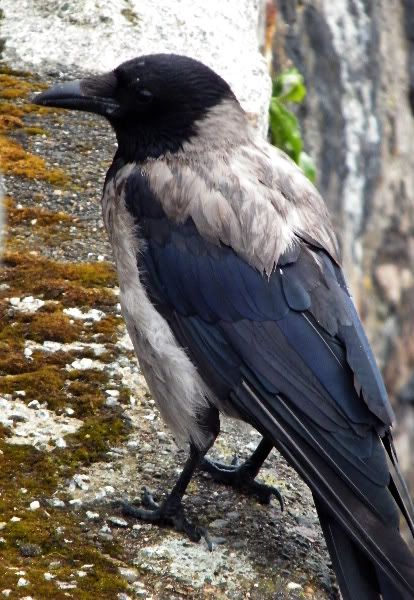
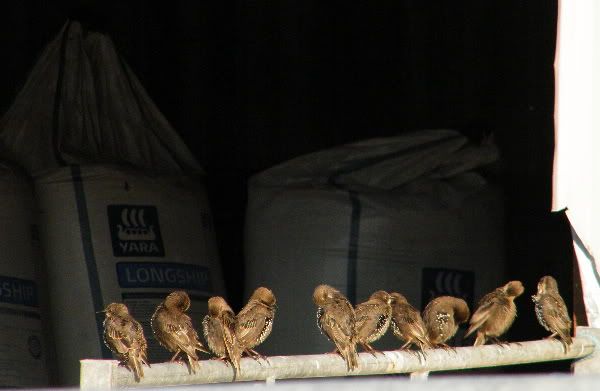
Back on Mull, we connected with the WT-Eagles again a couple of times, once back at a nest site we'd seen on the tour. The one chick apparently fledged the day before (grah!), but the good news is they tend to go straight down into the nearby woodland and stay there for several days so you still get to see the parents bringing in food. Early mornings around Fidden did well for the holiday list, Dunlin, Ringed Plover, Snipe all in the brook beside the farm, and the buildings themselves housed a not unspectacular summer Starling roost with perhaps a 150 birds funneling during the evening. Wheatear everywhere, same with Oystercatcher, Redshank, Hooded Crow of course. Nice surprise one morning was a male Peregrine chasing away either another male or perhaps a youngster directly over head at about 40ft on my way to the camp toilets one morning. The screaming sure woke me up. Nearby the farm a dead end track leads off past Fidden to the scatterings of other farms on the south-west tip of the Ross to where we had some of our best birding of the holiday. Within a minute of each other we had a WT-Eagle sail in quite low from the west, and then sitting on a rocky pinnacle a Golden Eagle, which then took off to glide along the rolling ridges in the distance. Impressive! An impromptu visit to Tireragan nature reserve followed after we picked up a map leaflet from the farm at the end of the track. A warning to visitors, the paths may start easy, but they soon disappear into a dense jungle of bracken, so taking a compass and an OS map would probably be a good idea. Do go though, we had a family group of ring-tail Hen Harrier careering across the sky, looked like they were tossing each other around the sky actually. Close views of Ravens checking out us checking them out followed, and then the briefest view of an immaculate male Hen Harrier - which be honest are the ones we really want to see - frightening every Mippit and Stonechat in the area. Elsewhere along the Ross we very briefly had a single Twite, with reported flocks of up to 50 birds eluding us somehow.
Must briefly mention Carsaig bay, a short visit there discovered Spotted Flycatchers, they're always a pleasure.
Finally, for the girlfriend's birthday I promised we'd go find our own Otters, and this we did. I don't want to say quite where - somewhere west of Glen More will do - we found a mother and cub hunting on a rising tide. I say hunting, it really looks like play. Picked up a Merlin cruising across the shoreline here too. On the day we left for home, one more stop by the same area brought us a dog Otter and we had reasonable close views of him 'sprainting' a small rocky island in the loch. A charming, if poo-themed, way to end our holiday.
There's gotta be a next time when it comes to visiting the Isle of Mull.
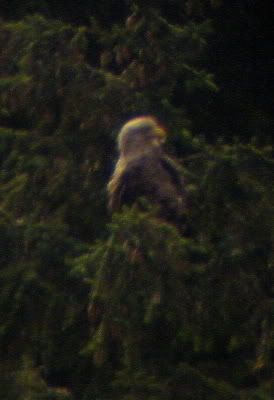
White-tailed Eagle at something toward half a mile distance.
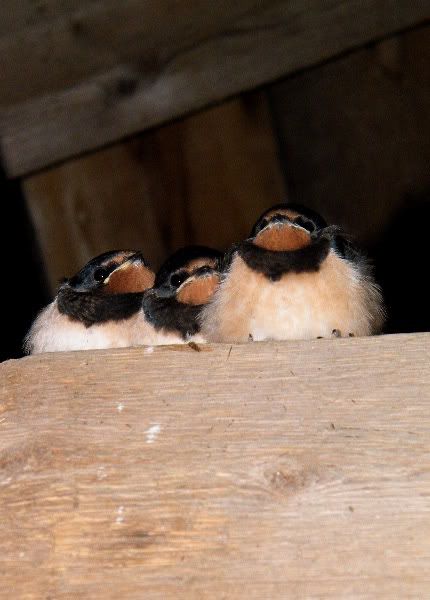
Given a special invite to the ladies loos in Bunessan to see these fledgling Swallows.