Thursday, 20 March 2008

A Right Poser


I had another ABB! day at Carsington this week. Pretty average event by our standards, by which I mean GREAT! Plenty of excited schoolchildren through, although many of them were dangerously obsessed with ticking off the birds on their list. It's a ragged road to go down kids, believe me!

Our bird list for the event included the Great Northern Diver (surely this bird has earned itself a pet name by now - 5 months into this year's stay and probably 6 last winter too!), Buzzard, Raven, Kingfisher, Oystercatcher, Redshank, Lapwing, Little Owl (the pair cosying up together, aww...), Kestrel, Bullfinch and notably a lost Pink-footed Goose with the resident feral Canadas and Barnacles, among the regular characters. Reports of Sand Martin arrivals also came in with a reliable recording of 2 birds, and I enjoyed a nifty Chiffchaff giving himself away with an unmistakable call that really jolly well announces the beginning of spring.
Those first few Sand Martins may provide that unlikely possibility this weekend of the sight of hirundines skimming over fields of snow, weather which should push them back south again.

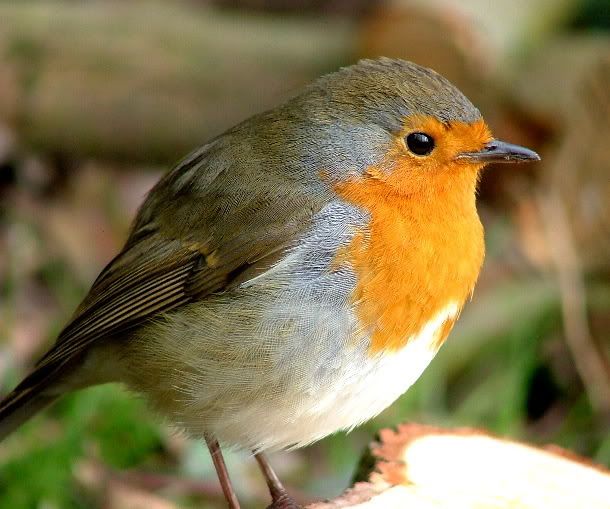
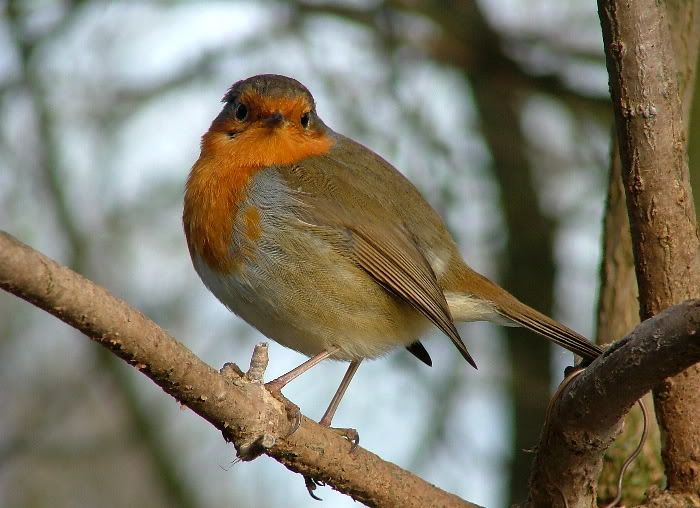
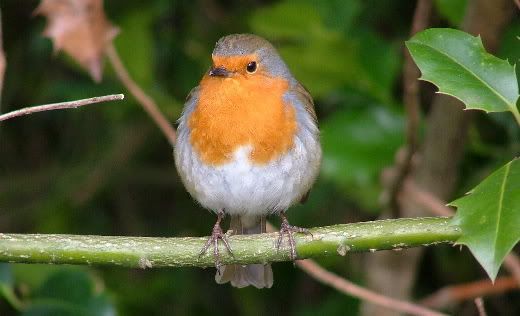
Special mention goes to the Robin (pictured), so disregarding of my presence I could flip to the macro function on my camera.
I was reading recently that catholic as the Robin's diet is, with a great range of berries, seed and kitchen scraps taken in winter, they still require invertebrates during the season and would perish without them. So in harsh weather, offering mealworms to your garden Robin could make all the difference. After all, you try searching out insects and spiders during the harshest weather of winter and discover how easy it is!

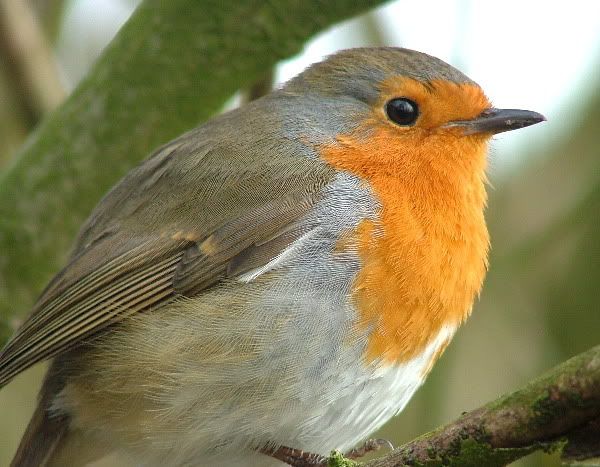
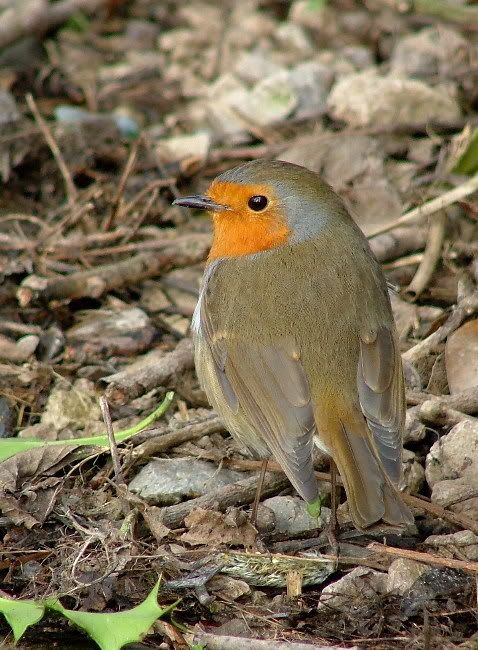
Some thumbnails of the red-breast...

Happy birding folks!

Friday, 14 March 2008

Sprawk!

Had a visit from the neighbourhood Sparrowhawk earlier this week. As I had the choice to break away from what I was doing I sat for an hour in anticipation of the hunt, only to be frustrated when the bird lunged after a sparrow down the other side on next door's roof.
But what am I saying frustrated? It's thrilling enough to see the bird at all!

Over the years I have watched some memorable hunts outside my kitchen window, most remarkably when a mouse chose really the worst moment possible to ascend the bird table - as a Sparrowhawk was already sat on the fence about six feet away, hardly believing its luck I'm sure. I was impressed the mouse clambered around the overhang onto the platform, much more amazed when the hawk swept in, and somersaulted in one swift movement to snatch the startled rodent as it leapt a good 10 inches in the air at the last instant in vain hopes of avoiding its terminal fate. Incredible reflexes from both creatures.

This is the first time I've noticed the Sparrowhawk perched around the garden since last summer. Fingers crossed it'll be claiming a territory here.

When I'm ABBing visitors do share their experiences of backyard Sparrowhawks, most people chuffed to have them. To the less assured I try to explain it in terms of having a 'David Attenborough film in your garden'. There are Lions in the Serengeti, Tigers in the Sundarbans, and your garden, it has Sparrowhawks! All apex predators, full of (deadly) charisma, just enjoy the action!

Wednesday, 12 March 2008

Aren't ABB Days Brilliant?

It's been a while since I had the time to update, so in no particular order I'll attempt a few posts to recap the past month, starting with...


...another Carsington ABB(!) event day.
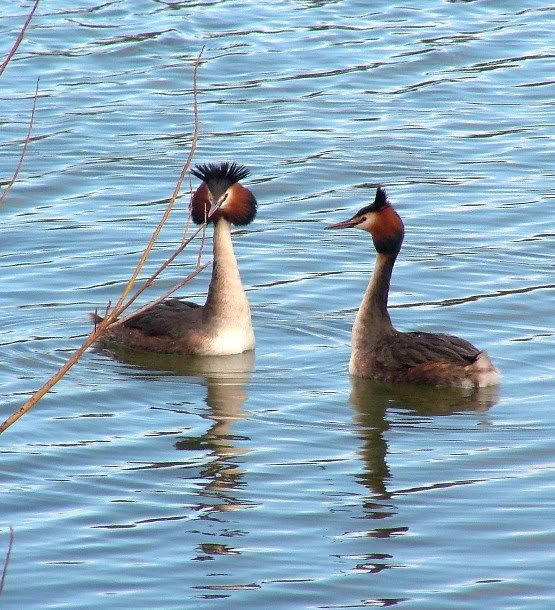
Forget the Great Northern Diver, Raven, Little Owl and Curlews, stunning as they are they made for second billing yesterday, for in front of the wildlife centre - a mere handful of yards from our big window - we had Great Crested Grebes deep in courtship, head flicking and weed* waving, the whole divine, unimaginable, shebang which they repeated throughout most of the day.

Our visitors, those who came despite a nigh hysterically bad weather forecast, were truly thrilled. With luck these birds shall nest in the willow to the left of picture (above), however there are complications. After such a beautiful display the pair were chased from the area by a feisty lone individual grebe of their own species, a real spoilsport by any measure - who wasn't above diving beneath the water to nip at the feet of our star couple. The day ended with the one bird snoozing in their place.
So what next for these grebes? Will they reclaim the willow? Can the villain of the peace attract a mate of its own? Will the Coot have the final say on who nests there? The story, as they say, is to be continued...


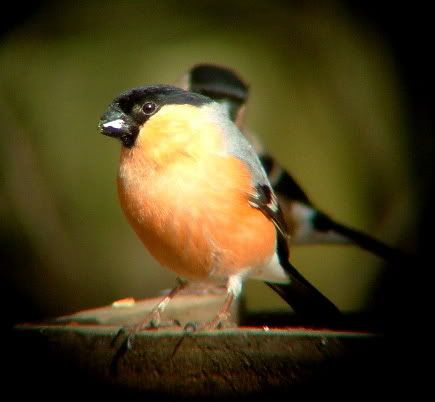
Elsewhere on the day Bullfinches queued in resplendent pink costumes at the feeding station near Lane End hide, and beside Paul Stanley hide I saw my first Chiffchaff of the season. Spring is whispering around the reservoir. Our Tawny Owl remains resident in its tree, one wing again curiously drooped as it naps the day away - it's a real sloucher of an owl we have up there.

During a previous ABB(!) event day, a charming couple told me about the foxes they'd become firm friends with. As they described feeding the animals, the couple themselves recognised the relationship was turning more toward owner/pet than watcher/wildlife, and asked for my advice. I told them that feeding is fine within reason, but failed to be more specific. Well, if you're out there I did a little reading (referring mostly to Chris Packham's excellent book 'Back Garden Nature Reserve') and if you do want to feed your suburban foxes the best practice is to make sure whatever you give them is a bonus and not a replacement for their usual diet. Do it no more than three times a week, putting the food in different places, any kitchen scraps will do. Above all enjoy watching them!


(* it should be understood that an offer of filthy pond weed equals true romance in the grebe world!)

Tuesday, 12 February 2008

Lathkill Dale

What unseasonal warmth! Did we sleep away the winter so quickly?

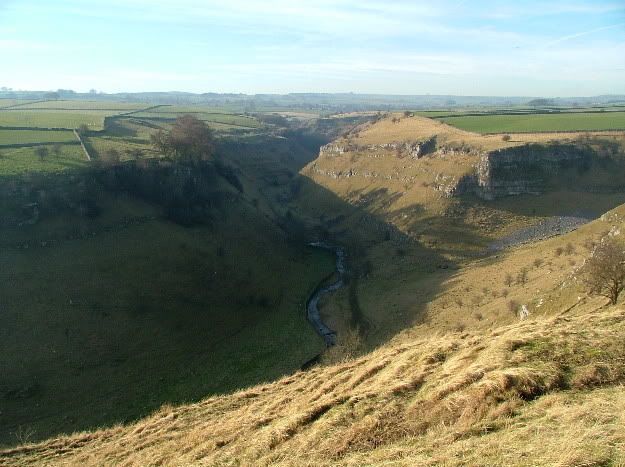
Well, I can tell you, it remains chilly of a morning down in the Derbyshire Dales. With my free weekends rapidly running out, the girlfriend and I chose a walk new to us, up and back down Lathkill Dale in the heart of the Peak. For a Sunday it was hardly busy, so the scarcity of birds was somewhere toward surprising. Two pairs of Dipper were skittish dazzlers, and the odd languid Buzzard sailed over late morning, beyond that Great Tits, Robins, Goldcrest and Song Thrush added birdsong to the atmospheric mists. Something about the acoustics up there, the slightest twitter is so rich!
Grey Wagtail were a notable absence, I suppose still huddling for warmth down on the broader reaches of the river where the sunshine can find them.


And now for something completely different... walking my niece to the park yesterday I observed behaviour from a pair of Carrion Crows quite new to me. One of the birds was eagerly pecking under the guttering of a house along the street, making me half-wonder whether it was searching for the eggs of early nesting sparrows. No, that wasn't it. Peck, peck, the crow grabbed and pulled out an enormous cob sandwich! Almost immediately thereafter in came the second bird, chasing away what was evidently an intruder raiding the food stash of the resident pair. It must have been watching them store the items there.
Of course I never have my camera when I really need it.

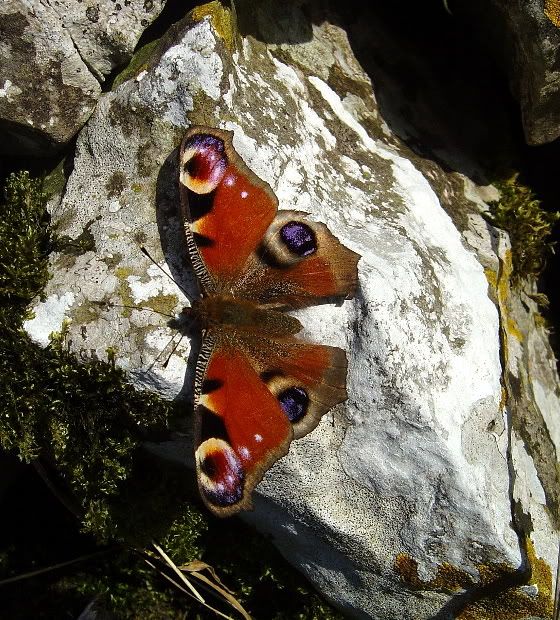
Back up Lathkill Dale, along the ridge above the valley, my first butterfly of the year, a stately Peacock for the Peaks.

Friday, 8 February 2008

Fudge Duck

I forgot to mention the Ferruginous Duck from last week (Fudge Duck for those unwilling to risk the pronunciation). The bird was found on the lake at the old American Adventure Theme Park, near Ilkeston. The site is fenced off these days and patrolled by heavies from a security firm which I'm told erected signs reading "NO BIRDWATCHING". To say the least it wouldn't be on my hit parade of birding destinations, but this duck is special, and a smashing find.

Closely related to Pochard and Tufted Duck (species they closely associate with), Ferruginous Ducks breed chiefly in wetlands north of the Black Sea and winter in north Africa or areas south and west of the Sahara, with smaller populations in France and Spain. Their numbers are crashing as their breeding habitats are drained for farming, so they are set to become an even rarer sight for UK birders. Up to 10 birds a winter reach Britain now, but in the future, who knows?

There is one other thing I should mention; Ferruginous Ducks are popular among wildfowl collections and birds from zoos, bird sanctuaries, etc, do go a-wandering wild in the UK. This means birdwatchers are always likely to discuss the natural origins when an individual turns up. Now this Derbyshire bird arrived in winter, is notably shy, exhibiting all the behaviours of a wild duck, so a 'true' vagrant it is.

They are best identified by their white bottoms as no other wild duck in the UK has anything to confuse it by. Beyond that Ferruginous Duck males like this one have a wonderfully rich colour, a chestnut brown that shines purple in the sun. Even at 200 yards, it was gorgeous. A picture can be seen here.

I bet that duck is still drawing in many a birder, relocated as it has to the smaller waters of Loscoe Dam.

In other news, the home patch I've been neglecting still harbours results. At King's Mill Reservoir a Water Rail was showing well, always smaller than you think, and the electric blue flash Kingfisher shot by me. The only sad news I have to report is the probable loss of a Barn Owl, the lifeless white lump seen lying on the surface of the dual carriageway under which a pair had successfully nested last year. The truth is, this tragedy always seemed likely.

Wednesday, 6 February 2008

Somewhere Up There

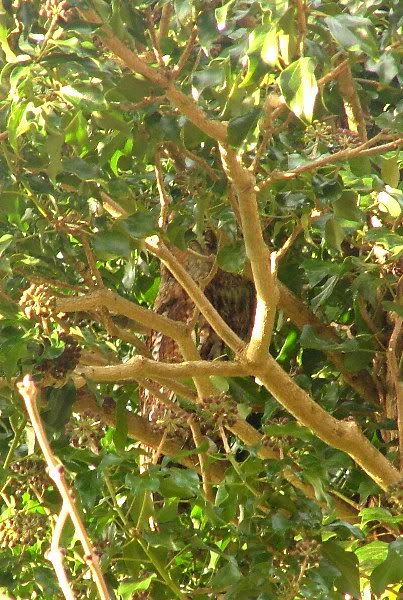
Spot it yet?

Another ABB day as Carsington has gone by, with moderate numbers of visitors through for a windy day in February. I'm pleased that our team continues to grow, and that I can also report we are exceeding our membership target. Pure joy for all of us involved.
So you tell me you're a birdwatcher? You say you aren't yet volunteering with the RSPB or local wildlife groups? Oh heavens, you are missing out!

The birdlife is beginning to alter with the early change of seasons. The Oystercatchers have returned from their winter break on the coast. They look for all the world like painted clockwork toys, so are always a winner with visitors. Redshank, Snipe, and a couple of elusive Dunlin hint that good times for wader enthusiasts are just around the corner.

Our Peregrines failed to show, though one was noted mantling a Coot at the weekend. These raptors will now be returning to their breeding territories, indeed the Derby Cathedral female is already prospecting her nest ledge, so Carsington may lose this bird's regular presence quite soon, unless a pair take to one of the nearby quarries. We can only hope!

Our Great Northern Diver remains on site, yesterday being the occasion I've seen this most enigmatic and elusive individual for several weeks. Since the girlfriend described its shark-like features I haven't been able to shake the comparison from my head. It must be worse for the fish.

My treat for the day was taking time to pick out a Tawny Owl from the foliage of their traditional roosting tree. You can be sure they are creatures of the night because only a nocturnal species could have such a groggy appearance in the daylight, it's nothing short of comical.
The tip to finding them on a suitable a tree is to consider the time of day and the weather. In winer these birds will follow the sunlight around the tree trunk, or otherwise choose the side sheltering them from the wind. My other piece of advice; never stop searching.


So tired.

Monday, 4 February 2008

The Great Survivor

Ever hear the one about the timid Blackbird? So scared of cats he went completely...

White!

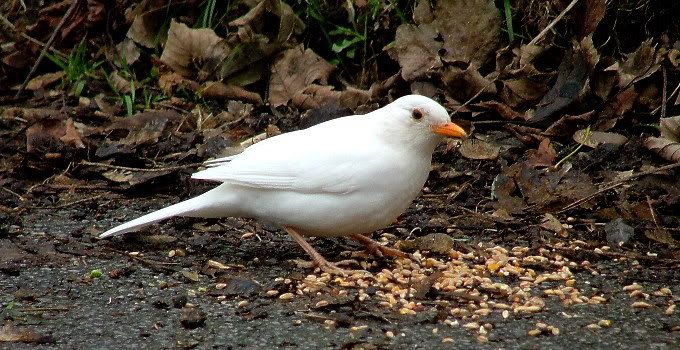
Okay, not really. He's what the experts call an 'albinistic' Blackbird, a partial albino to the rest of us (complete albinos have bizarre pink eyes - like this fledgling sparrow). Some family of mine noticed him last week during a non-birding visit to Rufford Country Park. I knew there had been infrequent reports of a 'Whitebird' at the site since it was discovered in Feb '06 - that makes him at least 3 years old - so quite the survivor. Conventional birdwatching wisdom suggests these eye-catching birds are a more conspicuous target for predators such as Sparrowhawk, a theory which makes his continued presence all the more remarkable.

Here's a brief explanation on how albinism occurs in birds...

Pure albino birds lack pigmentation and because feathers are made from keratin, which is naturally whitish in colour, their plumage is white. The absence of pigmentation also affects eye, leg and bill colour - the eye and legs appear pink owing to the blood vessels showing through, and the bill will be whitish. As well as pure albinos there are partial albinos which simply have a few white patches on their plumage or have white plumage but retain their proper eye or leg colour.

Albinism is usually a genetic condition that causes the absence of pigment, but may also be caused through malnutrition, parasites or injuries. A common belief was that too much white bread was the cause of albinism, but this is not the case. Albinism of varying degrees is quite common in Blackbirds.

from garden-bird.co.uk

In addition, I wonder if these birds are perceived as an unattractive partner by other Blackbirds. Perhaps he therefore avoids the stress, dangers and energy expense of raising a brood each year. Pure speculation on my part, I really have yet to read any research on the matter.

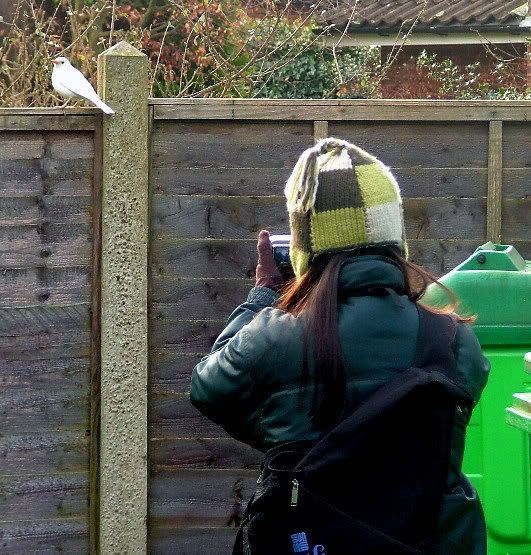
The bird itself is a real show off, posing almost as if aware of his glamour...

The girlfriend takes a picture.

A little donation to his upkeep.


The video: An everyday bird made glorious by the great lottery of life - genetics.

Rufford is itself a pleasant birding destination. True enough that genuine rarities are unlikely to turn up, but Hawfinches can be a notable presence in the car park during winter mornings, and during our visit all the regular woodland species showed, Nuthatch, Chaffinch, a small number of Siskin, many affording very close views. On the lake Great Crested Grebe and Tufted Duck, while Buzzard have also spread to this part of the county and can be seen overhead.

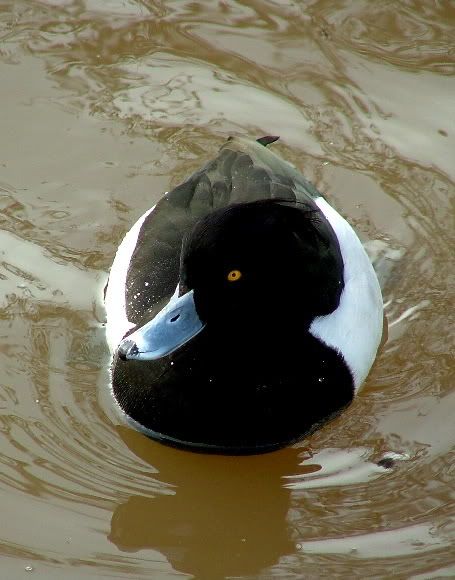
A couple of thumbnails from the day...
Robin

Rufty Tufty


Happy birding everybody!